
Other Useful Links
Exclusive Web Site on "Jain Tirthankars" Screensaver (Charityware)

![[ Bakliwal Trading Company ] [ www.nirmaldosti.com ]](btcbanner.jpg)
|
| Newspaper articles with reference to Tapioca Industry |
IMPORTANT NOTE:
|
|
 Sago price shoots up due to poor arrival of tapioca
[ Extracted from: THE HINDU, Tuesday, January 31, 2017 ] The price of sago have skyrocketed in the district in the recent past due to sharp fall in the arrival of tapioca. The poor arrival due to the repeated failure of monsoon has affected about 400 sago manufacturing units functioning in Attur, Valappadi, Thammampatti, Mallur in Salem district and Rasipuram and surrounding areas in the neighbouring Namakkal district. These units procure tapioca from the farmers of Salem, Namakkal, Villupuram, Cuddalore and Tiruvannamalai for the production of sago and starch. Due to the severe drought conditions prevailing in the district for the past many months, the farmers avoided the crop, resulting in poor harvest this season. According to the tapioca farmers, due to poor price fetched in 2015, only 70 per cent of the farmers went for tapioca crop during last year. Monsoon failure led to withering of about 40 per cent of the crop. Even where the crop withstood the onslaught of drought, there was sharp fall in the yield. Due to poor arrival of tapioca, production of sago and starch has come down enormously in the entire district, affecting the functioning of all the mills, leading to skyrocketing of the price of sago and starch.
|
| Top of the Page |
|
Drought reduces tapioca cultivation [ Extracted from: THE HINDU, Thursday, December 8, 2016 ] Recurring drought conditions and the steep fall in the price for the past few years has brought down the area under tapioca in the districts of Salem and Namakkal drastically. Due to the scarcity of tapioca, majority of the sago units have suspended production of sago rice for the past few months. Salem and Namakkal districts are the major tapioca production districts in the state along with Dharmapuri, Krishnagiri, Villppuram, Tiruchi, Cuddalore, Perambalur and Erode. The state accounted for about 15 lakh hectares under tapioca. The tapioca is supplied to 350 sago production units functioning in the districts of Salem and Namakkal, which are involved in the production of sago rice and sago flour. About two lakh farmers, loading workers and other daily wage earners are involved in the sago industry. The livelihood of about 1.5 lakh workers is affected as majority of the units have suspended tapioca crushing activities. Due to recurring drought and unreasonable price for the crop, many farmers did not raise it this season. The scarcity of water affected 90 per cent of the standing crop. At present, the tapioca area has shrunk to three lakh hectares in the State. This is expected to increase the price of tapioca manifold.
Photo: The withering tapioca crop in Karisalpatti village in Salem. |
| Top of the Page |
|
Sago manufacturers warned [ Extracted from: THE HINDU, Saturday, October 3, 2015 ] Officials of the Tamil Nadu Food Safety and Drug Administration Department inspected sago units at various places in the district and warned manufacturers against adulteration in the product. A team led by District Designated Officer K. Tamil Selvan and Food Safety Inspectors inspected sago units in Puduchatram area on Thursday night. A total of 38 units were functioning in the area, but due to off-season, only eight units were functioning. On Friday, only two units were functioning of which samples were taken from one unit. A total of 92 gunny bags containing sago were kept in the store room and locked. Officials said that only after the test report proved that the sample was free from adulteration, the manufacturer would be allowed to sell the sago. Officials also inspected whether the skin of tapioca was fully peeled and used in the manufacturing process or any chemicals were used. Also, they were warned against mixing corn flour with tapioca. Officials also found water stagnation on the unit premises and asked workers to ensure that the floor is cleaned regularly. They were asked to erect name board at the entry point. Recently, the team also inspected sago units in Namagiripettai and took samples of sago. Gunny bags containing sago were kept in the room in the premises and locked as lab reports are awaited. |
| Top of the Page |
|
‘Adulteration, reason for fall in price of sago’ [ Extracted from: THE HINDU, Thursday, October 01, 2015 ] The Tamil Nadu Tapioca Natural Sago Manufacturers Association blamed adulteration in the manufacturing process of sago by some sago units for the steep fall in the demand and price in the state and also in North India. P. Muthulingam, president of the Association, told presspersons here on Wednesday that the price of sago which stood at Rs. 7,500 per 90 kg bag has come down to Rs. 4,000. The price fall has not only affected the sago units and traders, but also the farmers. Public interest litigation Mr. Muthulingam said that R. Chandrasekaran of Kalkurichi Vellalapatti Vivasayigal Munnetra Sangam of Namakkal district filed a public interest litigation in the High Court of Madras seeking direction to check adulteration in the manufacture of sago. A Bench comprising Chief Justice of Madras High Court Sanjay Kishan Kaul and Justice T. S. Sivagnanam said that when tapioca has to be processed, the skin has to be removed, but in some of the cases, the small manufacturers are not removing the skin. The Bench said that the sago which failed the tests conducted by the Sagoserve should be handed over to the District Designated Officer, Food Safety Department for appropriate action.
Wet starch |
| Top of the Page |
|
HC for banning sale of wet starch [ Extracted from: THE HINDU, Tuesday, September 8, 2015 ] Observing that the sale of wet starch should be banned, the Madras High Court on Monday directed the State government to issue necessary GOs in a week. Hearing a plea which alleged mixing of chemicals in wet starch, the First Bench comprising Chief Justice S.K. Kaul and Justice T.S. Sivagnanam said, "It is pointed out that wet starch is sold in the market, which creates a problem, as it is purchased by manufacturers at discounted value, chemicals added and then, sold. It is, thus, agreed that sale of wet starch should be banned." The Bench also directed that sago, which fails the nine-level tests by authorities, should not be returned to the manufacturers but to the Food Safety Department for appropriate action. On the submission of the Food Safety Department’s Designated Officer T. Anuradha, who was present in the court in connection with the case, it emerged that some small manufacturers, who did not have facility to remove the skin from tapioca, sold it to larger manufacturers. There was also an allegation that various harmful chemicals were mixed with sago to whiten it. Even as it directed the Food Safety Department to monitor the factories and manufacturers to ensure that the orders complied, the Bench also directed the Assitant Public Prosecutor to produce a list of cases registered against sago manufacturers over the issue. The Registrar of the High Court would submit a report. "We make it clear that when the factories are sealed by Food Safety Department on account of adulterated sago, no such factory will be opened without the leave of the court.," the Bench said. |
| Top of the Page |
|
Procurement of tapioca through LAMPS begins [ Extracted from: THE HINDU, Friday, August 28, 2015 ] Procurement of tapioca through Large Area Multi-Purpose Cooperative Societies (LAMPS) located in Kolli Hills and Pavarkadu began here on Wednesday. Tapioca is one of the major crops in the district and about 150 sago and starch manufacturing units are dependent on it. But farmers recently staged protest demanding reasonable price for their produce. Hence, Collector V. Dakshinamoorthy convened a tripartite meeting in which farmers, sago manufacturing unit owners and government officials participated. It was decided to fix a reasonable price for tapioca so that farmers and unit owners are not affected. Also, a meeting was held in Kolli Hills that decided to procure tapioca directly from the farmers through the LAMPS.
Photo: Collector V. Dakshinamoorthy inspecting the tapioca procured through LAMPS in Namakkal on Wednesday. |
| Top of the Page |
|
Collector warns sago units POOR PRICE WORRIES TAPIOCA FARMERS [ Extracted from: THE HINDU, Monday, August 24, 2015 ] Representatives of farmers’ associations criticised the sago units here for refusing to pay reasonable price fixed for tapioca and urged the district administration to take stringent action against the erring factories. Speaking at the farmers’ grievances day meeting held here on Friday, farmers said that the tripartite meeting, convened by the District Collector V. Dakshinamoorthy last month, fixed a price of Rs. 260, Rs. 270 and Rs. 280 per one point for the three varieties of ‘mulluvadi’, ‘white rose’ and ‘kunguma rose’ respectively. The sago factory owners, who participated in the meeting, accepted the price, they said. The farmers complained that the sago factories were offering a very low price. The poor price has badly hit the farmers, who were already suffering due to the hike in the prices of various commodities. The farmers’ representatives also urged the State Government to take steps for setting up small scale units for the production of value-added products from tapioca. M. G. Rajedran, a farmer, called for the intervention of the Collector to ensure that the tapioca farmers got the reasonable price fixed at the meeting. Mr. Dakshinamoorthy, who presided over the meeting, said that Namakkal was the first district to fix reasonable price for tapioca through negotiations. No where such step was taken to protect the interest of farmers. A separate meeting was held for this in Kolli Hills too. The price fixed for tapioca at the tripartite meeting was very reasonable and the sago factories were bound to pay the same. The Collector said that he has got information that the sago units were not offering the price as agreed upon.
Photo: Farmers’ associations have criticised sago units for refusing to pay reasonable price fixed for tapioca. |
| Top of the Page |
|
Salem district to hold tripartite talks [ Extracted from: THE HINDU, Monday, August 24, 2015 ] The farming community in general and the tapioca farmers in particular have welcomed the decision of the district administration to convene a tripartite meeting to fix reasonable price for tapioca during next month. The tapioca farmers have been complaining about the poor price being offered by the sago units since last year.At each and every opportunity available, the farmers representatives have been demanding convening of tri-partite talks for fixing reasonable price. The farmers were taken by surprise when R. P. Rajendran, PA to Collector-Agriculture, said that the Collector V. Sampath has decided to convene tripartite talks by September 10 next. The farmers’ representatives thanked the Collector for conceding the demand. K. Sundaram, General Secretary of the Tamizhaga Vivasayigal Sangam, said that Salem region has the highest productivity of tapioca in the world. Tapioca produced in different parts of the state are brought to the sago factories functioning in Salem and Namakkal districts for processing into starch and sago. Hailing the decision of convening the tri-partite meeting, Mr. Sundaram thanked the Collector V. Sampath for the same. He expressed the hope that meeting will bring solace the entire farming community. K. A. Govindasamy, president of the Tamil Nadu Tapioca Farmers Association affiliated to CPI, also welcomed the decision of the district administration. Despite repeated pleas, the district administration did not evince any interest in convening the tri-partite talks last year, due to which the farmers suffered heavy loss. |
| Top of the Page |
|
Farmers unhappy with new support price of tapioca [ Extracted from: THE TIMES OF INDIA, Monday, July 27, 2015 ] The four-hour-long 'tripartite' meeting convened by the district administration in Namakkal failed to make any headway to break the deadlock between tapioca farmers and sago producers, even though the district collector announced the new minimum support price for three types of tapioca produce. District collector V Dakshinamoorthy, who chaired the meeting, announced prices ranging from Rs7,200 to Rs7,800 for one tonne of tapioca. But farmers say the rates will not be given by sago producers. "The rates have been fixed with respect to 28 points of sago starch, which is of first quality. It would be extracted from the tapioca harvested during the winter season. The current tapioca will have only 20 points and the farmers will not be paid a good price for the current produce," R Thiyagarajan, president of Kalkuruchi Vellalapatty Vivasayigal Munnetra Sangam told TOI, adding that farmers would only get Rs3,000 to Rs3,500 currently. Tapioca farmers had urged the Namakkal district administration to convene a tripartite meeting including tapioca farmers, management representatives of sago industries and traders in connection with tapioca and sago trade. The district collector organised the meeting on Friday evening. The meeting witnessed heated arguments between the parties, as tapioca producers blamed sago producers for not acceding to demand price while sago producers shifted the blame on traders for compelling them to produce bleached white sago. "The traders are demanding us to use chemicals to make the dull sago into white sago," producers alleged. The farmers also urged the district administration to give a proposal to the State government to introduce sago in the mid-day meal scheme. More than 500 people participated in the meeting. |
| Top of the Page |
|
Agreement reached on tapioca price [ Extracted from: THE HINDU, Monday, July 27, 2015 ] Even while the tapioca farmers of the neighbouring Salem district continue to demand for the convening of tri-partite talks for fixing reasonable price for tapioca crop in the wake of commencement of harvest period and crushing season in the sago factories, the Namakkal district administration has taken a lead in solving this issue through negotiations. The District Collector V. Dakshinamoorthy, following persistent demand from the tapioca farmers convened tri-partite talks to fix price for the crop. An agreement was reached on the price issue at the meeting between the farmers, sago factory owners and Sagoserve officials held in the presence of the District Collector at the Collectorate here on Friday late evening.
The farmers’ representatives led by K. Sundaram, general secretary of the Tamizhaga Vivasayigal Sangam, said that the production cost of tapioca has gone up considerably due to various factors including hike in the price of inputs and farm workers wages. |
| Top of the Page |
|
Stop crash in tapioca price [ Extracted from: THE HINDU, Sunday, July 26, 2015 ] It was yet another monthly farmers’ grievances day meeting held at the Collectorate here on Friday, which was dominated by the issue of fixing reasonable price for the tapioca crop. Farmers representatives one after the other asked District Collector V. Sampath, who presided over the meeting, to convene a tri-partite talk to fix the price of tapioca. The harvest season has already commenced and the price of Rs. 4,000 a tonne offered was very low compared to the previous years, they said. It is S. Govindaraj, senior progressive farmer from Ammanpalayam, who set the ball rolling by raising the matter. He said that a good rainfall in the last few days has ensured good crop. They will stand to gain only when they get a good price. The Namakkal district administration has already commenced tripartite talks, and the Salem administration too should follow suit. Mr. Govindaraj complained that the price of coconut, and turmeric too has nosedived. The government should take steps to check the trend. S. Jayaraman, president, Federation of Salem District Farmers Clubs, said that Sago factory owners managed to earn a good profit at the cost of innocent tapioca farmers. While farmers were trying hard to get at least the production cost after struggling for months together, the factory owners earn a huge profit within a few hours. Talks between government officials, farmers, and Sagoserve personnel was necessary to fix a reasonable price. The price should be fixed on a daily basis, he said. K.A. Govindasamy, president of the Tamil Nadu Tapioca Producers Association, said price for tapioca was fixed through tripartite talks every year ever from 1990. He complained that the government, and banks were extending good patronage to sago units. The talks should be convened before August 10, he said adding that any delay will cause immense harm to the farmers. C.Vaiyapuri, president, the United Farmers Association Tamil Nadu, asked the administration to check adulteration of while manufacturing sago, and starch using tapioca. |
| Top of the Page |
|
Don't ban transport of wet sago starch: Food safety official [ Extracted from: THE TIMES OF INDIA, Wednesday, July 22, 2015 ] The commissioner of Tamil Nadu Food Safety and Drug Administration Department (TNFSDAD), Kumar Jayant, has ordered collectors and designated officers of Salem, Namakkal, Dharmapuri, Erode, Trichy, Villupuram and Perambalur, not to impose the proposed ban on transportation of wet sago starch. The managing director of Sagoserve, V Santha, was also served the same order. According to TNFSDAD sources, the commissioner made it clear in the letter that the proposed ban does not apply to intermediate products. On May 16 this year, the MD of Sagoserve had convened a meeting with various designated officers. of TNFSDAD, managing committee members, joint commissioner (enforcement) of Commercial Tax department, pollution control board engineer and sago manufacturers and traders. The objective of the meeting was to come up with a plan to produce adulteration-free natural sago. Five resolutions had been passed. Among them, sago should not be produced from dirty sago starch, maize starch should not be adulterated with sago starch, wet sago should not be transported, chemicals should not be used to make white sago and sales tax must be paid. Subsequently, Sagoserve sent a recommendation letter to the state government to impose a ban on transport of wet sago. According to Sagoserve sources, the wet sago could easily be adulterated. Thus, they wanted a ban on its transport. However, tapioca farmers and sago manufacturers submitted a petition to Namakkal collector V Dakshinamoorthy, condemning the proposed ban, on June 26. According to the petitioners, water is essential to extract sago starch from tapioca. "Many don't have sufficient water. On the other hand, sago producers have plenty of water. They would have no trouble extracting sago starch from tapioca and transporting the same to sago producing units. Thus, all sago makers would get sufficient business," said one sago producer on condition of anonymity. If the ban is imposed, only those units that have adequate water would be able to function, he added. The collector received the petition and forwarded it to the commissioner of TNFSDAD for further action. The food safety commissioner in turn ordered the collectors and Sagoserve not to impose the proposed ban. In his letter, Kumar Jayant said that wet starch is an intermediate product and it can be used either as a food product or as an industrial product. He also directed the concerned officials to ensure that the sago is produced as per food safety and standards act norms. Meanwhile, Tamil Nadu Tapioca and Natural Sago Manufacturers Association (TNTNSMA) strongly condemned the commissioner's order. "TNTNSMA has been struggling to curb adulteration in the sago industry. The commissioner's recent order would only encourage adulteration," said R Muthulingam, president of the association. He also said that any chemicals can be mixed with wet sago starch if they transported from one place to another. He also alleged that, using this decision, the sago starch producers will sale their produce illegally and will evade from sales and commercial taxes. |
| Top of the Page |
|
Sago manufacturers want natural products to be marketed [ Extracted from: THE HINDU, Wednesday, December 19, 2014 ] The Tamil Nadu Tapioca Natural Sago Manufacturers Association has asked all the sago manufactures not to adulterate and bring their products to The Salem Starch and Sago Manufactures Service Industrial Co-operative Society Limited (Sagoserve), so that a competitive environment prevails in market. Recently, members of the association met the Chief Minister O. Paneerselvam and submitted a petition to him. They said that the skin of tapioca was peeled off and natural sago was manufactured in the past 10 years and was sent to North India. But, later, sago was manufactured without removing the skin and also banned chemicals were added to whiten the final product. Last year, maize flour was added to the sago that resulted in fall in price of tapioca. The situation led to farmers and tapioca manufacturers protesting against adulteration as officials of Food Safety and Drug Administration Department tightening their grip. Hence, in the past six months, natural sago was marketed that received well accolades from the consumers. "The price was also good," they added. But due to prevailing market conditions, whitening of sago started. Fearing action, manufacturers instead of selling through Sagoserve, started to sell in open market and earn good price. The association wanted stringent norms to be followed. |
| Top of the Page |
|
Use new tapioca variety, farmers told [ Extracted from: THE HINDU, Wednesday, December 17, 2014 ] Farmers in the district are told to use the high-yielding tapioca that is available with the Tapioca and Castor Research Station in Yethapur. A press release from the research station said that tapioca or cassava can withstand any adverse conditions and can be successfully cultivated in marginal soils. Tamil Nadu account for about 80 per cent of the total acreage of the crop in India and is cultivated in an area of 1.96 lakh hectares with the production of 38.81 lakh tonnes. Cassava is mainly cultivated in Salem, Namakkal, Erode, Cuddalore, Villupuram, Dharmapuri, and Kanyakumari districts of Tamil Nadu. There are about more than 300 sago factories are involved in the extraction of starch from the tubers. The value added products starch, sago, vermicelli, and chips are being prepared from tapioca. Tapioca YTP-1 released by the Tamil Nadu Agricultural University, Tapioca and Castor Research Station, Yethapur has a yield potential of 49.50 tonnes a hectare with a starch content of 25 per cent to 27 per cent. For details contact the Professor and Head, Tapioca and Castor Research Station, Yethapur, Salem district-636 119; phone: 04282-293526 or e-mail:arsyethapur@tnau.ac.in. |
| Top of the Page |
|
Sago traders end strike A meeting was held between traders, and officials [ Extracted from: THE HINDU, Saturday, November 8, 2014 ] The nine-day-old strike by the Salem Sago and Starch Merchants Association in protest against the action initiated against sago traders on charges of adulteration, came to an end on Thursday, following the talks held by the top officials of the State Department of Industries and Commerce, and the Food Safety and Standards Authority of India (FSSAI) here. Charges The members of the association were on an informal strike in protest against the surprise checks conducted by officials, and sealing of the premises of some traders. They alleged that the officials were selective in conducting the checks and were targeting traders leaving the sago manufacturers. Even while stating that the officials were well within their rights to check, and test the samples from the manufacturers and merchants, the association in a press statement released prior to the negotiations held by the government officials, said that it will be more appropriate if priority in checking for adulteration was given at the production point. The statement said that the point of contention was that the sulphate and chloride tests conducted by the Sagoserve were not accepted in toto by the officials. The officials have not served any notice to Sagoserve, but was taking samples from the merchants’ after they took delivery of their purchased goods from the Sagoserve, or from manufacturers. But specifically targeting a few traders, the department creates fear and insecurity among the traders. The department should not try to paint the merchants as culprits even before the samples were subjected to any test, the statement said. Hence the association decided to suspend all its trading activities till proper norms were decided for the product "sago" by the FSSAI Department, and the Sagoserve. The release alleged that a majority of the members of the Tamil Nadu Tapioca Natural Sago Manufacturers Association were directly marketing their products for which there were no checks and balances. The Deputy Directors of the State Department of Industries and Commerce, and the FSSAI Department, who rushed from Chennai held negotiations with the representatives of the association. Following this, the sago merchants withdrew their agitation and participated in the auctioning held on Thursday evening itself, sources said. |
| Top of the Page |
|
Sago traders seek uniform rules for business, continue strike despite loss [ Extracted from: THE TIMES OF INDIA, Thursday, November 6, 2014 ] The ongoing tussle between manufacturers and the traders has taken a toll on the sago business as the traders in Salem, Namakkal, Dharmapuri, Erode and Villupuram district continue their protest refraining from sales for the past one week. According to traders they are facing a loss at least Rs 10 crore a day. The traders allege they are sandwiched between three different bodies setting norms for the business. We will continue our boycott until all these three bodies come together and regulated the business, they say. The traders have been refusing to sell products following a dispute between traders and food safety official after officials raided a few shops for selling adulterated sago products. The manufacturers allege that the traders were adulterating products after procuring it from the sago producers. Salem Sago and Starch Merchants' Association (SSSMA) president Tarachand Surana said Sago-Serve, the state government body has its own norms for sago business. Food Safety and Standards Authority of India (FSSAI) and Food Safety and Drug Administrative Department (FSDAD) of Salem district have a different set of rules. "We are unable to do business as these bodies set different rules for the sago business," he said. About 30% of goods are sold through the Sago-Serve and another 50% is directly marketed by manufacturers and the rest is sold in the open market. Traders allege that the lab tests conducted by the Sagoserve are not accepted by FSDAD, especially sulphate and chloride tests. As per FSDAD, the sulphate and chloride content should be zero. But these specifications do not go with the specifications set by FSSAI. "While the department can check and test the samples taken from the manufacturers and merchants, it will be more appropriate if adulteration is checked at the production point. But the food safety officials are targeting a few traders" said Vikash Sabu, secretary of SSSMA. "There are more than 100 merchants in SSSMA as members. All of them are refraining from sales for the past one week. This is a peak season for the business and the situation continues the industries will incur a huge loss this year," said Tarachand Surana. |
| Top of the Page |
|
Sagoserve intervention sought to resolve traders’ strike in Salem district [ Extracted from: THE HINDU, Monday, November 3, 2014 ] The Tamil Nadu Tapioca Natural Sago Manufacturers Association has urged the State-run Salem Starch and Sago Manufacturers’ Service Industrial Co-operative Society Limited (Sagoserve) to take steps to revive the marketing activities of sago by putting an end to the informal strike by the sago traders of the district. The traders were not procuring sago from Sagoserve for the last five days, due to which the association could not fix the price of tapioca to the farmers. This is the harvesting period and as the sago manufacturers could not prefer order by quoting the price, the farmers are suffering heavy loss. In some areas, the tapioca crop due to the heavy rain have suffered damages, R. Muthulingam, president of the association, and S. S. Prabhu, its joint secretary, told presspersons here on Saturday. They alleged that the traders were encouraging adulteration, due to which a cold war is going on between them and food safety officials. The informal strike of the traders has put the farmers and the sago manufacturers in a tight spot. Mr. Prabhu said that the association accounted for about 100 members in the districts of Salem, Namakkal, Dharmapuri, Villupuram and Tiruchi. They produced 100 per cent natural sago and never gave room for any adulteration. The action of the food safety officials against the traders indulging in adulteration has nothing to do with the sago manufacturers. Heavy loss Due to the refusal of the traders to procure sago from the Sagoserve, the farmers and the sago manufacturers were suffering heavy loss. Due to the strike, the price of one tonne of sago has come down to Rs. 5,000 from Rs. 8,000 a few days ago. This will prove too costly to the farmers who have raised sago in thousands of hectares of land, Mr. Prabhu said. Besides the farmers, a large number of workers employed in the sago manufacturing units have also been affected. He also alleged that traders, who refuse to procure sago from Sagoserve, are procuring the same from private sago manufacturers clandestinely and forwarding the same to other States. To enable the sago manufacturers to get better price, the Sagoserve should open its own retail outlets in northern states. This will avoid the middlemen and traders. Replying to a question, Mr. Prabhu said more than 40,000 bags of sago, worth about Rs. 20 crore, has stagnated with the manufacturers in the last few days. While sago manufacturers suffer business loss, the government is suffering heavy revenue loss. Referring to the future course of action, Mr. Prabhu said that the association office-bearers have planned to meet the Commissioner of Industries and Commerce shortly. |
| Top of the Page |
|
Sago makers urge govt to open outlets in north [ Extracted from: SUNDAY TIMES OF INDIA, Sunday, November 2, 2014 ] Tamil Nadu Tapioca and Natural Sago Manufacturers Association (TNTNSMA) has appealed to the state government to set up retail outlets in north Indian states to sell the products directly in the market. They said the tussle between food safety officials and traders badly affected marketing of the product. "The traders called for strike and they are not ready to do business with Sago-Serve, the state government enterprise which fixes price for the product. Due to adulteration of sago and raids by food safety officials, the traders are refusing to sell the product for the last four days," said joint secretary of TNTNSMA, S S Prabbu. TNTNSMA, an association with more than 100 members in Salem, Namakkal, Dharmapuri, Villupuram and Trichy districts have been manufacturing quality sago products. According to Prabbu, most traders adulterate sago and sell it with natural products. "These traders do not support TNTNSMA as we are against adulteration. Since traders do not buy from the association, members are not able to pay sufficient rate to farmers while procuring them. A few big players are spoiling the industry," he said. One tonne of natural sago was sold at Rs 8,000, last week and the price has come down to Rs5,000 due to traders' strike, he said. If Sago-Serve starts its own outlet in north India, manufacturers can sell their produce at a better price, he said. |
| Top of the Page |
|
Samples taken from sago factories in Salem They were sent to laboratory in Chennai [ Extracted from: THE HINDU, Wednesday, November 6, 2013 ] Officials of the Food Safety and Standards Authority of India inspected sago factories across the district and took samples on Tuesday. This comes following samples drawn from six companies manufacturing sago in the district were found to be adulterated and were 'unsafe' for human consumption. On Tuesday, four teams inspected companies in Attur, Panamarathupatti and Pethanaickenpalayam and took samples. A team led by T. Anuradha, District Designated Officer, Tamil Nadu Food Safety and Drug Administration Department, inspected a company on the Salem - Bangalore National Highway and took samples. Samples would be sent to Food Analysis Laboratory in Chennai to check for adulteration. Officials said that a total of 70 samples were taken from companies across the district and were sent to laboratory. Adulteration Officials said that adulteration in sago could also be checked by consumers by taking a little quantity in mouth which would have a gritty feel if adulterated. Also it would leave behind ash if burned where as if pure, it would swell and would leave no ash. |
| Top of the Page |
|
Poor yield, low price mark beginning of tapioca harvest [ Extracted from: THE HINDU, Monday, October 28, 2013 ] This year, tapioca harvest was less than usual due to poor rain during the planting stage and due to the prevailing rains during the last few weeks. It resulted in a drop in the starch content in tapioca tubers. Due to this, the tuber is bought for a low price from farmers for producing sago. While this has disappointed farmers, demand for these tubers in Kerala has helped them fetch a better price. "This year, farmers of the district have witnessed poor tapioca harvest for the second successive year. While the area under tapioca cultivation has drastically reduced in 2013, compared to 2012, the volume of tapioca harvested in the fields also came down by more than 60 per cent," says farmer R. Chandrasekaran of Kalkurichi, near Rasipuram.
Photo: Tapioca being sold in Salem for domestic consumption is fetching a better price for farmers than selling it
for producing sago. |
| Top of the Page |
|
FOOD SAFETY OFFICIALS TO INITIATE ACTION AGAINST SAGO UNITS USING ADULTERANTS [ Extracted from: DECCAN CHRONICLE, Friday, October 25, 2013 ] Food safety officials here have sought the consent of their top brass in Chennai to initiate stern action against sago units found using harmful chemicals to whiten Tapioca. Designated officer of food safety department T. Aruradha told reporters that surprise checks and subsequent test of samples have revealed that most of the 300 units functioning in the region use harmful optical whiteners in sago production. Referring to a surprise raid conducted in 9 units, Ms Anuradha said the tests conducted on the samples taken from the units revealed that nine units have misbranded the produce, while two were found guilty of both misbranding as well as adulteration. At least two units have washed the tapioca in sodium sulphochloride before using optical whitener, she said adding that most of their produce has been sent to north India. Assuring constant monitoring of all units in the region, the officer said that she has written to the food safety commissioner to initiate action on the errant sago units. Continuous consumption of such adulterated sago products could lead to ulcer, cancer and liver failure, she claimed. |
| Top of the Page |
|
Tapioca will fetch good price in October - November, says TNAU [ Extracted from: THE HINDU, Friday, October 25, 2013 ] The Domestic and Export Market Intelligence Cell of Tamil Nadu Agricultural University has said that tapioca will fetch good price in October-November. According to a release, the price for the harvested tubers would be Rs. 9 or Rs. 10 a kg and farmers are advised to take up their selling decisions accordingly. Forecast The forecast has been made based on the wholesale price of tapioca of the last 10 years in Salem market. In Tamil Nadu, tapioca is being cultivated under both irrigated (June-July) and rainfed (November-December) conditions, coinciding with the South-West and North-East monsoons, respectively. Tamil Nadu and Kerala are two major tapioca growing states, which together account for 88.65 per cent of total tapioca growing area in India. While it is grown as a food crop in Kerala, it is grown for industrial purpose in Tamil Nadu. Here it is grown in an area of over 1.20 lakh hectares covering many districts including Dharmapuri, Namakkal, Salem, Villupuram, and Erode, it said. For details, contact 0422-2431405 / 6611374. |
| Top of the Page |
|
Six samples of sago found to be unsafe for consumption [ Extracted from: THE HINDU, Friday, October 25, 2013 ] Of the total nine samples drawn by the Food Safety and Standards Authority of India (FSSAI) officials from companies manufacturing sago in the district, laboratory test revealed that six samples were found to be adulterated and were ‘unsafe’ for consumption. A team led by T. Anuradha, District Designated Officer, Tamil Nadu Food Safety and Drug Administration Department recently took samples from companies located in Salem city, Ayodhiyapattinam, Panamarathupatti, Gangavalli and Thammampatti. Samples were sent to the Food Analysis Laboratory in Chennai that revealed that the sago which is half-white when natural, is mixed with chemicals to give more whiteness. Notices Hence notices were issued to the companies found manufacturing adulterated products. She told The Hindu that manufacturers can go for appeal with Referral Laboratory within 30 days and the second sample would be sent for testing. If no appeal is made, with the consent of the Food Safety Commissioner, a case would be filed for manufacturing, distributing adulterated food and also for misbranding, they added. FSSAI officials said that sago is mainly used for preparing pasta, bakery products and also to make value added products. |
| Top of the Page |
|
More godowns needed, say sago manufacturers Existing godown is insufficient to meet current requirements [ Extracted from: THE HINDU, Friday, August 9, 2013 ] Minister for Rural Industries P. Mohan inspected the Salem Starch and Sago Manufacturers Service Industrial Co-Operative Society Limited (Sagoserve) to know the effective functioning of the society and the auction system followed here, on Thursday. He also interacted with new office bearers and sought to know their grievances. System Manufacturers complained about the present system of purchasing sago from them and wanted the mechanism to be changed. They wanted Sagoserve to procure all the produce from them as currently many have to sell in open market due to quality difference. They also said that the present godown is insufficient to meet their requirements. Consequently, they made a request that the government consider a suggestion to construct additional buildings that could be used for storage. Grievances aired
Photo: Inspection:Minister for Rural Industries P. Mohan (second from right) at The Salem Starch and Sago Manufacturers Service Industrial Co-operative Society Limited, in Salem on Thursday. |
| Top of the Page |
|
Tapioca starch imports hit Kerala cassava cultivation [ Extracted from: The Hindu BUSINESS LINE, Thursday, October 4, 2012 ] Cassava cultivation in Kerala has been hit due to price volatility and import of cassava starch from Vietnam and Thailand. According to latest estimates, the area under the crop has dropped by 35 per cent in the last 10 years. However, an increase in productivity by 53 per cent has capped the decline in production to 6.05 per cent. Meanwhile, the slashing of import duty of cassava starch from 70 per cent to 65 per cent in March is believed to have stimulated large scale import of tapioca starch from Thailand, Vietnam, etc. This was instrumental in pulling down prices in 2011-12 season. The current import duty of 63 per cent from March this year has also fuelled a sentiment that the surge in imports would continue, a study carried out by Agricultural Market Intelligence Centre (AMIC)of the Kerala Agricultural University said.
Photo: Tapioca growers are switching to banana crop. |
| Top of the Page |
|
Growers may cultivate tapioca only if prices improve [ Extracted from: The Hindu BUSINESS LINE, Tuesday, June 5, 2012 ] Farmers in Erode, Dharmapuri, Salem and Namakkal are likely to cultivate tapioca only if prices improve. With input costs rising considerably, current prices are not feasible to grow the tuber, farmers said. According to Mr Chinnasamy Gounder of Modakurichi, farmers are ready to raise tapioca in more area only if they get remunerative price. In 2010, tapioca fetched Rs 10,000 a tonne but last year, it fetched Rs 9,000. Some farmers are thinking twice to grow tapioca due to shortage of labour. However, a few growers may be tempted to go in for the crop if they can lay their hands at a high-yield variety. Traders said that if the price of starch increases, the tuber's price will increase. Currently, prices continue to rule lower despite drop in the crop's arrival. The tapioca season is coming to an end, leading to drop in arrivals. Usually, industries get more than 100 tonnes a month but it has now fallen down to 30 tonnes. Mr S.S. Natarajan, Executive Director of SPAC Tapioca Product India Ltd, Poonachi, Bhavani taluk, said: "In Kerala, tapioca is used asfood. So, farmers get a minimum price of Rs 2,500 a tonne. In Tamil Nadu, though 85 per cent of the tuber is used for industrial purposes; still, farmersare getting only Rs 2,800 a tonne. "With the crop withstanding the onslaught of the papaya melee bug, farmers have decided to grow more areas." |
| Top of the Page |
|
Area under tapioca may rise next season [ Extracted from: The Hindu BUSINESS LINE, Wednesday, May 30, 2012 ] Tapioca prices ruled low was sold at Rs 2,900-3,000 a tonne for the fine variety and Rs 2,800 a tonne for other varieties. Mr. S.S. Natarajan, Executive Director of SPAC Tapioca Product India Ltd, Poonachi, Bhavani taluk said: "Tapioca has been cultivated over one lakh acres of land in Erode, Namakkal, Salem and Dharmapuri district during this year and the yield has been encouraging, as farmers were able to get 10-12 tonnes of tapioca an acre against 10 tonnes obtained last year. But due to poor price, farmers were reluctant to cultivate the crop again." He said that last year the crop was affected by the Papaya Melee Bug and the SPAC came to the rescue of tapioca farmers, conducted research with the Tamil Nadu Agricultural University and other experts and distributed parasites to farmers at very nominal cost. Farmers applied it and were relieved from the pest attack.
He said that "because of this disaster and also of the low price obtained for their produce, many farmers were frustrated
and cultivated the crop in limited areas. Now, he expects more area to be brought under tapioca next year as they were
relieved from the pest attack." |
| Top of the Page |
|
Tapioca prices crash as overseas arrivals rise [ Extracted from: The Hindu BUSINESS LINE, Wednesday, May 23, 2012 ] The price of tapioca has fallen sharply in Erode district. Tapioca is one of the important commercial crops for farmers, which can be grown by using limited water. Now in Erode district only 15,000 acres are under tapioca cultivation. It is now selling only at Rs 2,000-3,000 a tonne, against Rs 9,000 a tonne in the corresponding period last year. "We never experienced such a steep dip in tapioca price. Already due to various reasons the yield has gone down to 10-12 tonnes per acre. The recent price decrease has hit the farmers hard," said Mr C. Nallasamy a leading farmer from Arachalure. He said only one big firm in Erode district was buying tapioca from the farmers to convert it to starch. "After import permit was granted to the starch and modified starch by the Union Government, huge quantities are coming from Vietnam, Thailand and other countries, causing a decline in domestic prices of tapioca," said Mr Nallasamy.
He said if the Government increases the import duty, the price of tapioca will go up, especially in the Erode area. |
| Top of the Page |
|
Improving cassava, the bread of the tropics The Gates Foundation is committing money to fight two viral diseases and increase cassava's nutritional content [ Extracted from: THE HINDU, Thursday, February 2, 2012 ] Recently I received an email from Mr Bill Gates and was torn between the horns of a dilemma. On one horn, I was all agog with excitement that he seems to know me. The other horn was the worry that it might be the usual spam mail from the ubiquitous rich widow from Cote d'Ivoire, who would share her fortune if only I emailed her my bank details. Curiosity overriding caution, I recklessly opened the mail to find it to be the 2012 Annual Letter from Bill Gates, detailing the activity of the Bill and Melinda Gates Foundation. What it described was a remarkable commitment of $2 billion to helping poor farm families, most of which are led by women, boost their productivity while preserving the land for future generations. Compare this with a total of $3 billion per year spent by the entire world on researching the seven most important crops. Of these, cassava (or tapioca) is one. It is the staple food of about 500 million Africans; Nigeria is the world's largest producer of this tuber. And it has been affected by two virus-infected diseases, both carried by white flies - the Cassava Mosaic Disease affecting the (edible) leaves, and the other Brown Streak Disease which rots and kills cassava roots. The Gates Foundation is committing money to help win these and to increase cassava's nutritional content and reduce its inherent toxins. Cassava is eaten in many parts of India as well. We call it Kuchi Kizhangu or Maravallli Kizhangu in Tamil, Kappa in Malayalam, Kavva pendalam in Telugu, Mara Genasu in Kannada and Simla Alu in Hindi. Its powdered form is tapioca, and when it is made into pearls, we call it sago, sabudana or Jawwarisi, and make sabudana vada, upma, payasam and so forth. Just like potato, maize and chillies, cassava too is an import to the rest of the world, a gift by Portuguese sailors who brought it from Brazil to Africa and Asia. Within centuries, it replaced traditional African crops as Africa's most important food crop, and has come to be called "Bread of the Tropics" and when disease strikes it, it hits the health and livelihood of millions of people. It is thus vital not only to conquer these diseases but also improve the nutritional content in this plant. The book "Nutritive values of Indian Food and The Planning of Satisfactory Diets," the Bible of India's Food Science (and perhaps the most useful book published by Indian science agencies for its people), lists that 60 per cent of tapioca is water, and each edible portion offers 157 calories coming from 389 carbohydrates, 1.2 g minerals, 0.6 g fibre, 0.7 g proteins and 0.2 g fat. Thankfully it is rich in calcium. Eating it day in and day out might fill the stomach but not offer enough nutrition. It is towards this challenge that the international group termed Biocassava Plus has been put together, with the aims to (a) increase by six-fold the content and bioavailability of zinc and iron, (b) increase four-fold its proteins content, (c) increase by ten-fold the vitamin A and E content, (d) develop virus-resistant varieties of cassava, (e) delay the post- harvest deterioration of cassava tubers, and (f) decrease by ten-fold its cyanogens content. Item (f) above is particularly important. Raw cassava contains two types of compounds which generate the mortal poison HCN upon decomposition. The indigenous people of Brazil and Africa have found ways to remove the poison.
Photo: Important crop: Cassava is the staple food of about 500 million Africans. |
| Top of the Page |
|
'Promote organically manufactured sago' [ Extracted from: THE HINDU, Thursday, February 2, 2012 ] Tapioca farmers have urged sago traders to promote organically manufactured sago. "Sago manufactured using acids and chemicals look brighter and traders have been promoting it as superior quality product", a farmer R. Chandrasekaran said. He said that chemically prepared sago has proved to be harmful for the consumers and claimed that indiscriminate use of such chemicals has drastically brought down sago consumption market. "This has directly hit tapioca farmers with very poor price for their produce," he lamented. Farm procurement price of the tuber has also tumbled to less than one-third its price in September 2011. "Its price was Rs. 6,500 per tonne in September, dropped to Rs. 5,100 (October), Rs. 4,500 (November) and Rs. 2,800 (December)", another farmer said and added its present procurement price is between Rs. 1,900 to Rs. 2,100 per tonne.
Photo: Sago bleached using acid to appear brighter (left) is wrongly promoted as superior quality while
organically produced sago (right) which has off-white colour. |
| Top of the Page |
|
Caviar? How about cassava, asks Gates Agriculture not getting the necessary attention, he says [ Extracted from: THE HINDU, Friday, January 27, 2012 ] Some people come to the World Economic Forum expecting caviar. Bill Gates said he would bring cassava. "I don't know what Swiss customs will say about it," said Mr. Gates, chairman of Microsoft and co-chairman of the Bill and Melinda Gates Foundation. "I'll put it in a nice plastic bag or something." Assuming he makes it past the border guards, Mr. Gates is bringing the tubers - some of them healthy, others rotten - to Davos to underline a pitch for his foundation's efforts to eradicate hunger in places where food is scarce and crops are often blighted. Since 2009, Mr. Gates has been publishing an annual letter that details his foundation's work and sets priorities for the coming year. This time, the letter, which was set to be published on Tuesday in Seattle, highlights the need for innovation in agriculture to improve nutrition in poor countries. The foundation, the world's largest philanthropic organisation, donates about $300 million a year to agriculture projects, a little more than one-tenth of its overall annual commitments. About half of the organisation's money goes to health care, including efforts to fight diseases like AIDS, polio and malaria, and the rest is dedicated to education and other initiatives. Last year, Mr. Gates' letter focused on the foundation's efforts to develop and disseminate vaccines. A milestone in the battle against deadly diseases was reached this month when the Gates Foundation and other groups announced that last year, for the first time, India had not recorded a single case of polio. Mr. Gates said he had decided to emphasise agriculture this year because he felt it was not getting the necessary attention. At the same time, he added, the need for food is easily understood by the public because it is "so primary." "We get a strong response on health issues," he said by telephone. "But when we show a farmer getting better sweet potatoes that are more nutritious, the response is even stronger."
Photo: Road side vendor selling cassava. |
| Top of the Page |
|
Bring sago, starch products under ‘Zero Percent Tax' [ Extracted from: THE HINDU, Friday, December 30, 2011 ] The sago and starch merchants of Tamil Nadu insist that sago and starch products should be brought under ‘Zero Percent Tax' not only to save this agri-related industry but also to shore up the performance of the Salem-based ‘SAGOSERVE' (The Salem Starch and Sago Manufacturers' Service Industrial Co-operative Society Limited), the only quasi government coop erative body at National level, established exclusively for sago and starch. To protect this unique agiri-based industry, Tamil Nadu government has levied as a special rebate one per cent of Value Added Tax (VAT) with Central Sales Tax exemption in respect of sales being done through SAGOSERVE. In outside market, it is 5 per cent VAT with CST exemption. This will hugely benefit the farmers and acreage for its cultivation can be expanded. Hence the merchants while placing forward many factors to support their demands for Zero Percent Tax, however, point out that this exemption should be given to those who transact business through SAGOSERVE for its strong and vibrant existence. They urge that the ‘C' Form exemption for inter-state sale also should be restored to ensure a healthy trade since the insistence on compulsory submission is leading to many unscrupulous trade practices. Traders explain that prior to May 2002, the production of ‘C' forms was not required for CST-exempted goods. But after May 2002, the CST was amended requiring the production of ‘C' forms in case where there is a ‘specific exemption' and exemption of producing the forms in case where there is a ‘general exemption'. It only aggravates the industry's woes. Saying that over 700 sago and starch small scale units situated in Salem, Namakkal, Erode, Dharmapuri, Villupuram and Tiruvannamalai districts, the merchants claim that a strong SAGOSERVE can alone ensure uniform growth for farmers, manufacturers and merchants. They say that the consuming states such as West Bengal, Rajasthan, Assam, Nagaland and Bihar have included the products under the Zero Percent Tax while the Tamil Nadu industry is facing competition from Andhra Pradesh where its production of sago has shot up to 3 lakh bags per year. Salem and its adjoining districts produce 38 tonnes of tapioca tubers per hectare, highest production in world. Nearly 70 p.c. sago produced in the country is from Tamil Nadu. |
| Top of the Page |
|
‘Do not use chemicals in sago production' Minister warns of action; says it is affecting health of people [ Extracted from: The HINDU, Sunday, December 11, 2011 ] Minister for Rural Industries and Nutritious Noon Meal M.C. Sampath warned of action against companies that use chemicals in the production of starch (sago). The Minister was addressing sago manufacturers, tapioca producing farmers, and traders at Sagoserve here on Saturday to review its functioning. Mr. Sampath said that consumers have suffered from ill health after consuming sago manufactured by using chemicals to bleach it and during other stages of production process.
The minister attributed the price fall of sago due to drop in the consumer market due to presence of harmful chemicals in the product. Saying so, he urged the producers to refrain from using chemicals, keeping in mind the welfare of the consumers and the future of the sago producers as well. In his concluding remarks he asked the farmers to follow good production practices and produce world class sago. After listening to their grievances, Mr. Sampath promised to take them to the State Government and do the needful for the benefit of the farmers, producers and traders. Revenue Minister P. Thangamani, Highways Minister Edappadi K. Palanisamy, Principal Secretary to the Government for Rural Industries Dr. Niranjan Mardi, Labour Welfare Commissioner Harmander Singh and Salem Collector Maharabushanam also took part in the meeting that was held at the District Collectorate. |
| Top of the Page |
|
Tapioca in S. India vulnerable to disease attacks, warn experts [ Extracted from: The Hindu BUSINESS LINE, Saturday, August 20, 2011 ] One of the world's most important crops grown in the tropics, Cassava faces an elevated risk of being destroyed by pests and diseases because of faulty agricultural practices, scientists have warned while arguing in favour of improved international early warning system to protect farmers from emerging threats. In a global risk assessment using a technique known as ecological niche modelling, scientists at the International Centre for Tropical Agriculture (CIAT) studied the conditions appropriate for outbreak of four formidable enemies of the crop: whitefly, green mite, cassava mosaic disease and cassava brown streak disease.
They found that the conditions are right for combined outbreaks of all four pests and diseases in some of the world's major cassava producing zones. These include Africa's Rift Valley region, much of Southeast Asia, southern India, Mato Grosso in Brazil, and northern South America. A major cause of the rapid spread of cassava pests and diseases is the method by which the crop is propagated, with new plants grown from stakes - stem cuttings taken from older plants. As well as helping transfer infections from one generation of cassava crops to the next, the stakes are often transported very large distances - sometimes across international borders - enabling the spread of pests and diseases far beyond their geographic centres of origin, scientists asserted. In order to protect what is arguably one of world's most important crops, it is essential to refine and enforce established protocols for the movement of stakes. A more formal international early warning system for cassava will ensure a swift response to any outbreaks, it is argued. CIAT's cassava research program is already working to develop cassava varieties resistant to whitefly, green mite and cassava mosaic disease. The crop is the third most important in tropical regions after rice and maize. India produces 85-95 lakh tonnes of tapioca annually mainly as smallholder cultivation. Obviously, effective surveillance is needed to ensure disease outbreaks are either prevented or brought under control early. |
| Top of the Page |
|
Rooting for cassava, biofuel of the future [ Extracted from: SUNDAY TIMES OF INDIA, Sunday, April 10, 2011 ] The starchy cassava root has long been an important ingredient in everything from tapioca pudding and ice cream to paper and animal feed. But last year, 98% of cassava chips exported from Thailand, the world's largest cassava exporter, went to just one place and almost all for one purpose: to China to make biofuel. Driven by new demand, Thai exports of cassava chips have increased nearly fourfold since 2008, and the prices of cassava has roughly doubled.
Each year, an ever larger portion of the world's crops - cassava and corn, sugar and palm oil - is being diverted for biofuels as developed countries pass laws mandating greater use of nonfossil fuels and as emerging powerhouses like China seek new sources of energy. Cassava is a relatively new entrant in the biofuel stream. But with food prices rising sharply in recent months, many experts are calling on countries to scale back their headlong rush into green fuel development, arguing that the combination of ambitious biofuel targets and mediocre harvests of some crucial crops is contributing to high prices, hunger and political instability. "The fact that cassava is being used for biofuel in China, rapeseed is being used in Europe, and sugar cane elsewhere is creating a shift in demand curves," said Timothy Searchinger, a research scholar at Princeton University. "Biofuels are contributing to higher prices and tighter markets." In the US, Congress has mandated that biofuel use must reach 36 billion gallons annually by 2022. The European Union stipulates that 10% of transportation fuel must come from renewable sources like biofuel or wind power by 2020. Countries like China, India, Indonesia and Thailand have adopted biofuel targes as well. Olivier Dubois, a bioenergy expert at the Food and Agriculture Organization, said it was hard to quantify the extent to which the diversions for biofuels had driven up food prices. "What is certain is that biofuels are playing a role." Dubois and other food experts suggest that countries should revise their policies so that rigid fuel mandates can be suspended when food stocks get low or prices become too high. "The policy really has to be food first," said Hans Timmer, director of the Development Prospects Group of the World Bank. NYT |
| Top of the Page |
|
"Quality of starch in tuber crops superior to that of rice" [ Extracted from: THE HINDU, Tuesday, March 15, 2011 ] Tuber crops such as tapioca, sweet potato and yam can serve as good alternatives to ensure food security. Their quality of starch is superior to that of rice. However, they need to be made more competitive so as to match the growth of other food crops, H.P. Singh, Deputy Director General (Horticulture), Indian Council of Agricultural Research, said here recently. Inaugurating a three-day Annual Group Meeting of the All India Co-ordinated Research Project on Tuber Crops at Tamil Nadu Agricultural University, he said if the qualities of tuber crops were highlighted among the public, it would lead to better acceptance. "Also, if they were processed into ready-to-serve food items, their preference among consumers will increase. As temperature is one of the most important factors of climate change, scientists need to assess the threshold value of temperature that affects the size of the tubers in different regions. Elimination of virus and other diseases in tuber crops need greater attention," Mr. Singh said.
He called for identifying core centres to pursue intensive research in specific tuber crops. TNAU was carrying out research on tapioca. P. Murugesa Boopathi, Vice-Chancellor of TNAU, said tapioca produced in Tamil Nadu was utilised by sago and starch industries numbering more than 900. Demand for tapioca was on the rise and expected to touch 6.06 lakh tonnes in 2015. The Vice-Chancellor mentioned that the university had developed an orange-fleshed sweet potato rich in beta carotene and could be used as a substitute for vitamin A. As this was highly suitable for children, TNAU had plans to recommend this to the Tamil Nadu Government for including it in the mid-day noon scheme. It was also developing a low-sugar sweet potato variety that could be consumed by diabetics. |
| Top of the Page |
|
Starch industry faces bleak future [ Extracted from: THE HINDU, Friday, January 07, 2011 ] The starch industry, incurring a 10 per cent excise duty on tapioca starch production, is facing a bleak future. Saying that the 10 per cent duty on the production exceeding Rs. 1.5 crore per annum has brought down the production of tapioca starch to a dismal 20 per cent, the Salem Sago and Starch Merchants' Association in a representation to Union Finance Minister Pranab Mukherjee, pointed out that unless the government came to their rescue, the starch industry would be forced to shut down, which in turn would trigger a chain of reactions affecting nearly 5 lakh farmers, mostly tribals, labourers, manufacturers and traders. The heavy Excise Duty had forced the 400 and odd sago and starch units in the districts of Salem, Namakkal, Dharmapuri, Coimbatore, Erode, Tiruchi and Villupuram to stop production. During the 2010-2011 Budget, the excise duty was levied on the units that registered a production turnover exceeding 1.5 crore per annum. Since tapioca starch was produced mostly by cottage industries, the duty was "arbitrary and unwarranted". It had brought down the total net production to a mere 20 per cent today. The merchants had pointed out that the excise duty was levied by previous regimes too. "But when we took up the issue they understood the situation and withdrew the same to save the industry," said an Association member. Tapioca starch was also being used as raw material for the manufacturing units of gum, pharmaceuticals and adhesive industries located in Northern States. The consumption in Tamil Nadu was negligible. The starch being sourced from the tubers of tapioca was a perishable agri product and hence the Centre should withdraw the duty and save the industry. |
| Top of the Page |
|
African cassava virus poses threat to tapioca crop [ Extracted from: THE HINDU, Sunday, October 24, 2010 ] There is a threat to the tapioca crop in the State (Kerala) from the African cassava mosaic virus, plant pathologists who spoke at a two-day symposium on 'Changing plant disease scenario in relation to climate change' that drew to a close at the Indian Institute of Spices Research (IISR) here on Saturday said. The plant pathologists reported that the African cassava mosaic virus was the latest disease-causing agent that could affect tapioca crops. The Indian cassava mosaic virus and the Sri Lankan cassava mosaic virus were already known to affect tapioca owing to rise in temperature and carbon dioxide levels, they said. Proper surveillance and monitoring were the only possible ways to check new emerging diseases, the participating agricultural scientists said. The symposium recommended that a holistic approach be formulated for tackling diseases resulting from climate change. The participants suggested that policymakers should take into consideration the views of farmers, researchers and people from agriculture and related fields while planning and executing programmes related to climate change. Experts said the increase in temperature by 0.5 degrees Celsius had lead to a decrease in production of wheat by 0.45 tonnes a hectare and a 25 to 30 per cent fall in sugarcane yield from a hectare in the country. There was a paradigm shift in the nature, time and type of occurrence of viral and other diseases of various crops owing to climate change, the experts said. The symposia called for setting up a fore-warning system to manage crop diseases and expressed concern over the impact of climate change on food production in the country. |
| Top of the Page |
|
Subsidies granted for modernisation of units For sago and starch factories in five districts [ Extracted from: THE HINDU, Sunday, October 10, 2010 ] To give a fillip to the modernization of sago and starch factory units, Tamil Nadu Government and Sagoserve have sanctioned a sum of Rs. 99.43 lakh as subsidies to the member units. Disbursing the same here on Saturday, Agriculture Minister Veerapandi S. Arumugam said that Tamil Nadu Government and Sagoserve, a co-operative society of sago and starch units, had decided to help the owners to undertake modernization since the industry was in doldrums. As the industry is concentrated in the districts of Salem, Dharmapuri, Namakkal, Erode and Villupuram districts, the Salem-based Sagoserve had taken many initiatives to enhance the quality of both the product and those who are involved in it. The Minister pointed out that the industry involved more than 5 lakh people both directly and indirectly and also included farmers of tapioca, tribals, factory workers, traders and producers. Hence taken into consideration of all these factors, Tamil Nadu Government had introduced the subsidy scheme during 2006-2007. The scheme would enable the factory owners to install new and latest technology of 15 machines in the fields of peeling, unloading, rasping, RO Plants, etc. Either 50 per cent of subsidy in the purchase of machinery or a sum of Rs. 4 lakh would be given to a factory with both Sagoserve and Tamil Nadu Government sharing equally. The Minister also pointed out that for two years since 2006, as many as 74 beneficiaries had received a sum of Rs. 1.30 crore as subsidy in which the State's share was Rs. 65 lakh. For 2008-2009, a sum of Rs. 99.43 lakh was distributed to 42 sago factories for modernisation. The share of Tamil Nadu Government was Rs. 50 lakh, he further pointed out. He asked the factory owners to upgrade their units so that they could remain competitive in the market. Sagoserve Executive Director K.K.Kousal presided over the function in which Sagoserve Manager (Administration) Ramasubramaniam, Manager (Accounts) D. Rajarathinam, officials, farmers, factory owners and others took part. |
| Top of the Page |
|
Cooperative institutions in Salem district to procure tapioca tubers from farmers Decision taken at meeting of officials, farmers and sago manufacturers [ Extracted from: THE HINDU, Saturday, January 9, 2010 ] A tripartite meeting conducted by the district administration here on Friday has decided to route the procurement of tapioca tuber from farmers through co-operative institutions in order to eliminate the role of middlemen. The meeting was conducted under the chairmanship of Collector J. Chandrakumar with the participation of tapioca farmers, starch and sago manufacturers and officials of various departments. Tapioca is a major crop cultivated in the district. A large number of farmers depend on the income from tapioca cultivation. A significant section of them are tribals. Complaints poured in during the meeting that many tapioca farmers were still under the grip of middlemen. The middlemen earn quick and easy money at the cost of the industrialists and the hardworking farmers. Farmers alleged that the middlemen formed cartels and were operating between the farmers and industrialists, controlling the industry and dictating prices. Collector J. Chandrakumar, expressing serious concern over the issue, said that the co-operative institutions would be involved in the procurement process. Tapioca farmers would extend Rs. 8,000 as loan per acre of rainfed lands and Rs. 16,000 for irrigated lands. The institutions would procure the tuber from farmers and send them to the starch and sago units.
Photo: TO HELP FARMERS: Collector J. Chandrakumar speaking at the tripartite meeting held in Salem on Friday to
discuss various issues in tapioca cultivation and procurement. |
| Top of the Page |
|
Prices of sago and starch go up since April this year [ Extracted from: THE HINDU, Monday, June 29, 2009 ] Sagoserve, an industrial co-operative society here, has appealed to the manufacturers of sago and starch to send their entire production to the society for sale as the price of the two products has registered a sharp increase in the recent past. The prices of sago and starch have been showing an upward trend since April 2009. The maximum rate offered for sago is Rs.3,039 a bag and for starch Rs.2,074, which is the highest price offered in the last 27 years, Sagoserve Managing Director Har Sahay Meena said in a press release. The society registered highest sales figure in the last fiscal. The manufacturers had sold 17.26 lakh bags of starch and sago for Rs.248.52 crore through the society in 2008-09, which was the highest in the last 27 years. Manufacturers from Salem, Dharmapuri, Erode, Namakkal, Perambalur, Tiruchi, Villupuram and Tiruvannamalai districts supplied 17.48 lakh bags of sago and starch to the society in the last fiscal, he added. The Managing Director also appealed to the manufacturers to peel the tapioca tuber completely before processing and ensure quality, which would help maintain the price level. Tapioca growers should closely interact with experts in Tamil Nadu Agricultural University, Horticulture Department and Central Tuber Crops Research Institute to get information on disease-free, high-yielding tapioca tuber varieties. Farmers should also make use of the subsidy provided by the Horticulture Department for drip irrigation systems. |
| Top of the Page |
|
Finding multiple use [ Extracted from: The Hindu BUSINESS LINE, Friday, June 05, 2009 ]
Food, industry crop: A vendor selling tapioca in Kochi, Kerala. Tapioca is grown in over 3 lakh hectares and its production ranges between 58 lakh tonnes and 60 lakh tonnes. It is a crop that is important for food and industrial applications such as alcohol, gums and soluble starch. Besides, it is used as feed. |
| Top of the Page |
|
Salem's sago units in a spot [ Extracted from: THE HINDU, Friday, May 29, 2009 ] Shortage in the supply of tapioca tuber is posing a serious threat to the survival of tapioca starch and sago manufacturing units in Salem region. With farmers switching over to short-term cash crops such as sunflower and maize in many parts of Salem and neighbouring districts, including Namakkal and Dharmapuri, the area under tapioca cultivation is shrinking, creating difficulties to the starch and sago units in procuring the agricultural product. Salem district alone had over 30,000 hectares under tapioca cultivation in 2006-7. But this had come down drastically to 10,564 hectares in 2007-8. It slightly increased to 15,728 hectares in 2008-9. This had created a shortage in the supply of tuber to starch mills and affected the production. As a result, the price of starch has increased many folds. The price of a 90-kg bag of starch, which stood at Rs. 1,100 a month ago, is priced at Rs. 1,956 in the fourth week of May. "The price will increase further as the starch units are not getting adequate supply of tapioca tuber," says Tamil Nadu Sago and Starch Manufacturers Welfare Association President S. Duraisamy. Tapioca farmers in countries like Thailand, one of the major exporters of tapioca starch, are given subsidy for cultivating the crop. Farmers here are reluctant to take up tapioca cultivation owing to fluctuations in the tuber price and long duration of the crop (eight to 10 months). Starch and sago industry in Salem region has began to shrink owing to heavy imports since 2000-1. About 300 factories have already been closed. Only about 450 are functioning. "If the remaining starch manufacturing units are closed because of shortage of tubers, the livelihood of a large number of people employed in these units will be affected," industrial sources here say. |
| Top of the Page |
|
Manufacturers selling wet starch warned [ Extracted from: THE HINDU, Saturday, January 31, 2009 ] Sagoserve, the industrial cooperative marketing society here, will initiate action against the manufacturers, who are selling the wet starch processed with unpeeled tubers to sago producers. The sago processed with wet starch will loose the original taste and affect the health of the sago consumers. Action will be initiated against the manufacturers who are selling the wet starch, purchasers, lorry owners and drivers transporting the product under the Prevention of Food and Adulteration Act, Society's Managing Director Har Sahay Meena said in a press release. Stating that such practice was against the development of the sago and starch industry, he advised the starch manufacturing members of the society to avoid wet starch sale. The members should send their entire production to Sagoserve for marketing the daily tender. The Managing Director said that the price of the sago and starch was in the upward trend and asked the manufacturers to avail the benefits of it. Sago and starch are fetching highest rate of Rs. 1,958 and Rs. 1,312 a bag respectively in the present trend. He also advised the starch manufacturers to pay reasonable price to the tapioca growers to encourage them to bring more area under the crop in the coming season. |
| Top of the Page |
|
Pollution Control Board turns blind eye over discharge of untreated effluent water Sago factories allowed to function without establishing water treatment plants [ Extracted from: THE HINDU, Friday, December 26, 2008 ] The discharge of untreated effluent water from a few sago factories in the surplus channel of Panamarathupatti Lake, a major water spread in the district and the main supplier of drinking water to Salem city once, is causing a serious concern to environmentalists. Fearing pollution in the groundwater in the locality, a few have even damaged the check dam so that the stagnated polluted water could seep through. The practice of letting the untreated water has led to the contamination of water in over 100 wells at Attuputher, Thippampatti, Perangadu, Thippampatti, Perangadu and surrounding villages. The colour of the water is slowing turning into greenish black in many wells in the area, depriving the people in several villages of access to safe drinking water. Farmers also allege that the use of chemicals at these sago factories has severely affected the soil and groundwater resources. The check dam constructed across the channel, which carries the surplus water from Panamarathupatti Lake to Ammapalayam Lake near Mallur, has aggravated the problem. The waste water gets stored in the check dam. As a result, it percolates into the earth, contaminating the nearby wells. "We have repeatedly requested the managements of the factories to stop discharging waste water in the channel. But our pleas fell on deaf ears," farmers charge. The negative effects on the environment are already visible. "The yield of many crops including tapioca and maize, has come down drastically," farmers point out. "If the situation continues, we will not be able to continue the farming in the area," they say. Officials at the Tamil Nadu Pollution Control Board have also turned a blind eye over the issue, despite repeated representations from the farmers. The factories are allowed to function without establishing water treatment plants, farmers allege. They urge the district administration to take up immediate measures to make the industries stop discharging their waste.
|
| Top of the Page |
|
Middlemen continue to squeeze tapioca farmers [ Extracted from: The HINDU, Thursday, November 27, 2008 ] Many tribal farmers cultivating tapioca in Kolli Hills continue to be in the evil clutches of middlemen. Though the Namakkal district administration has introduced a direct procurement system through the co-operative department, many farmers are still at the mercy of the middlemen and the district officials find it hard to bring them under the new system. About 27,500 acres of land in the hills are covered under the crop. A large number of farmers, particularly the tribal population, depends on the income from tapioca cultivation, The middlemen extend advance to the farmers and force them to sell their produce at low rates. It is alleged that the middlemen with the support of a few political parties threaten the farmers who opt for the new system introduced by the district administration. Loans Under the system, the administration ensures interest free loans through two large size multi-purpose (LAMP) co-operative societies. A machine to measure starch content of tapioca tuber has been installed. Procurement is routed through the LAMP societies which serve as a bridge connecting farmers and manufacturers. Despite these measures, total procurement through the system remains low. A substantial quantity of tapioca tuber still goes through the middlemen, while the co-operative societies get only about 4,000 to 5,000 tonnes of tuber in a year. Monitoring situation Officials say the administration is closely monitoring the tuber trade in the hills and stern action will be initiated against the middlemen. The system has facilitated tribal farmers to earn Rs.80.24 lakh by selling about 3,700 tonnes of tuber under the direct procurement system in 2007-08, they add. |
| Top of the Page |
|
Sago unit owners threaten stir [ Extracted from: The HINDU, Saturday, November 22, 2008 ] The sago and starch producers have urged the State Government to announce a moratorium on recovery of loans availed by them from the co-operative and public sector banks. Problems The State president of Sao and Starch Producers Association S. Duraisamy, in a press release, said the sago and starch industries were struggling to operate in the State due to various problems. The number of sago units had come down to 400 from 1000 in the recent past. The frequent power disruptions in the State had also adversely affected the operations in the existing units. Moratorium The producers demanded that the government announce a moratorium and also waive the interest on the loans. The government should extend necessary assistance for the revival of the sick units. Demands The producers, employees and tapioca farmers would be forced to launch a series of agitations, if the government failed to fulfil these demands, the release said. |
| Top of the Page |
|
Direct procurement system for tapioca introduced [ Extracted from: The HINDU, Thursday, July 31, 2008 ] The Salem district administration has introduced direct procurement system for tapioca tuber through large multi purpose co-operative societies. Places These societies are functioning in Yercaud, Aurnoothumalai, Chinna Kalrayan Malai, Periyakalarayan Malai and Pachamalai areas. The system, according to Collector N.Mathivanan, was introduced to free tribal farmers from the clutches of middlemen and enable them to get better incomes from tapioca cultivation. The role of middlemen in tapioca procurement process had severely affected the farmers. The administration conducted a comprehensive study and decided to introduce the direct procurement system through large multi-purpose societies. Interest free loans Accordingly, the farmers were given interest free loans. Machines were installed to calculate the starch content in the tapioca tuber in the premises of these societies. Competitive price The procurement was routed through the societies to ensure competitive price and the payment was made to the farmers immediately. The administration had planned to procure over 48,000 tonnes of tapioca tuber under the system. About 300 tonnes of tuber has been bought for Rs.8.69 lakh under the system so far. 23,268 hectares About 23,268 hectares of land under operational areas of these societies were covered under the tapioca crop. Over 17,000 tribal farmers were registered with these societies. Appeal The Collector called upon the farmers and co-operative officials to extend their full co-operation for the successful implementation of the system. |
| Top of the Page |
|
Tapioca farmers earn over Rs. 80 lakh [ Extracted from: THE HINDU, Tuesday, July 22, 2008 ]
The system, implemented through the two large size multi-purpose (LAMP) cooperative societies, freed the farmers from the clutches of middlemen and facilitated them to earn a sum of Rs. 80.24 lakh through tapioca cultivation in 2007-08, Collector U. Sagayam said at the tripartite meeting held in the hills recently. Farmers, starch and sago manufacturers and cooperative officials attended the meeting and discussed various issues in the system. The Collector promised that the system would continue and the district administration would make all necessary initiatives to keep the middlemen at bay. The system was introduced following repeated complaints of exploitation of tapioca farmers by middlemen in Kolli Hills. A majority of the tribal population in the hills depended on the income from tapioca cultivation. About 27,500 acres in the hills are covered under the crop. The middlemen extended loans at exorbitant interest rates and forced the farmers to sell their produce at low rates. The administration conducted a comprehensive study and evolved the transparent direct procurement system after having several rounds of discussions with the farmers, manufacturers, elected representatives, bankers and officials. Under the system, farmers were given interest free loans through the LAMP societies. A machine to calculate the starch content of tapioca tuber was installed. The procurement was routed through the LAMP societies, which served as a bridge connecting farmers and manufacturers. The administration also evolved a mechanism to ensure competitive price for the tuber and immediate payment to the farmers. The positive social and financial impact due to the new system is clearly visible in the hills. Mr. Sagayam said that the income from tapioca cultivation has increased. Farmers are now getting about Rs.3,500 to Rs.4,000 additionally per lorry load (about 10 tonnes) of tuber under the system. Senthamangalam MLA K. Ponnusamy and senior officials were present in the meeting. |
| Top of the Page |
|
Ensure quality, sago manufacturers told [ Extracted from: THE HINDU, Wednesday, June 11, 2008 ] The starch and sago manufacturers and farmers should work together to ensure the growth of the industry and high quality in production, Managing Director and Special Officer of Sagoserve Har Sahay Meena has said. Participating at a felicitation function held at Paavai Educational Institutions' premises here recently, he said Salem and Namakkal districts contribute a major share in the production of sago in the country. A number of starch and sago factories were functioning in the district for the past several years. But many units were yet to adopt modern methods of production. As a result, the sago and starch produced were not getting good prices. A few manufacturers were utilising chemicals to improve the colour of the products. The manufacturers should stop such practices. Instead, they should adopt modern methods of production and enhance quality, which would help them face competition, he said. Earlier, he honoured sago manufacturer V. Krishnan for adopting new technologies in production and presented a memento to him. Institutions Chairman N.V. Natarajan, who presided over the function, said that the Paavai Institutions would extend assistance to sago manufacturers to conduct their programmes. Human resource trainer Chandrasekaran and Tamil Nadu Sago and Starch Producers Welfare Association President S. Duraisamy also spoke. |
| Top of the Page |
|
Direct procurement a boon to tapioca farmers [ Extracted from: THE HINDU, Sunday, March 30, 2008 ] The tapioca farmers in the tribal heartlands of Kolli Hills, the ancient kingdom of King Valvil Ori, are a happy lot as they are now free from the clutches of middlemen. A new system, brainchild of Namakkal Collector G. Sundaramurthi, has involved these farmers and starch and sago manufacturers in the procurement process directly. Under this system, farmers sold over 3,300 tonnes of tapioca tuber till November last year directly to the starch and sago factories through two large size mutli purpose (LAMP) co-operative societies. The value of the transactions was estimated to be Rs.72.71 lakh. The system was introduced during last year following repeated complaints of exploitation of tapioca farmers by middlemen in Kolli Hills. A majority of the tribal population in the hills depended on the income from tapioca cultivation.
About 27,500 acres of land in the hills are covered under the crop. The middlemen extended loans at exorbitant interest rates and forced the farmers to sell their produce at low rates. The administration conducted a comprehensive study and evolved the transparent procurement system after having several rounds of discussions with the farmers, manufacturers, elected representatives, bankers and officials. Under the new system, farmers were given interest free loans through the LAMP societies. A machine to calculate the starch content of tapioca tuber was installed at Cholakkadu. The procuremnet was routed through the LAMP societies, which served as a bridge connecting farmers and manufacturers. Mechanism The administration also evolved a mechanism to ensure competitive price for the tuber and immediate payment to the farmers. Awareness programmes about the new system were conducted in all the tribal villages. The positive social and financial impact in the hills is clearly visible. The income from tapioca cultivation has increased, Mr. Sundaramurthi pointed out. The Collector said that the administration had planned to set up additional procurement centres, extend liberal credit and conduct open auction in the coming harvest season. Guidance would be provided to the farmers through the Tamil Nadu Agriculture University to improve the crop yield. |
| Top of the Page |
|
Absence of documents prevents tapioca farmers from accessing institutional credit 'A good number of farmers do not possess lands in their names' [ Extracted from: THE HINDU, Wednesday, March 26, 2008 ]
The condition came to light when the district administration sent an Erode District Central Cooperative Bank officer to study the issue. The move followed reports that the moneylenders preyed upon the gullible farmers and threatened to take away lands. The officer, who met the farmers on Monday, said that a good number of farmers did not possess lands in their names and that the land records were in their fathers' or grandfathers' names. The second reason, according to the officer, was that a considerable number of farmers carried on cultivation on leased lands and that the lease agreements were more informal. S.C.Natarajan of NGO Sudar, who has been working in the hills, said around 30 per cent of the 4,500 farmer families in the hills cultivated on leased lands. In the absence of lands in their names and a formal agreement with land owners in case of land lease, the farmers failed to access institutional credit, the officer said. Given the circumstances, the Primary Agriculture Cooperative Band at Erettipalayam in the Kadambur Hills had in 2007-08 serviced only 187 farmers. Of the Rs. 43 lakh the bank had lent, Rs. 32.80 lakh had been given to tapioca farmers. To address the issue, Collector, T. Udhayachandran has asked the Bank to explore possibilities of financing the farmers. As per the suggestion, the officer said the PACB had begun the task to enrolling those farmers as members whose land records were clean. The member-farmers, under the Kisan Credit Card scheme, would get Rs. 6,000 an acre for dry land agriculture and Rs. 10,500 an acre for wet land agriculture at six per cent interest with an interest remission of two per cent if the farmers repaid the loan within the due date. As far those farmers whose land records were not straight, the district administration would address the issue. As per estimate, tapioca farmers who cultivated the tuber on 3,000 acres would require about Rs. 1.80 crore. The PACB would try to service a part of that loan, leaving the rest for the State Bank of India, Kadambur. |
| Top of the Page |
|
Tapioca farmers in clutches of money lenders District administration and NGO begin help [ Extracted from: THE HINDU, Sunday, March 23, 2008 ] Farmer A.Subramani of Thinnayoor hamlet, near here, borrowed Rs. 15,000 from a money lender. He got the loan six years ago at 36 per cent interest by pledging four of his eight acres. Today, Mr.Subramani is deep in debt with an outstanding of about Rs.3 lakh and also on the verge of losing the land. The money lender has threatened to take away the four acres. However, the farmer is no defaulter. In the six years he has been in debt, he had repaid the loan over and over by selling all his produce to the money lender. Mr.Subramani says the lender wanted it that way. His guess is that he must have repaid at least Rs. 2 lakh in produce for, he does not know the actual value of the produce, nor how the Rs. 15,000 reached Rs. 3 lakh. Same is true of his fellow villager V. Lakshmi. Her husband pledged all his 4.8 acres to get a Rs. 14,000 loan. That was four years ago. Today, the farmer has an outstanding of Rs.27,000. They too do not understand the loan economics. The farmers are just two of the 4,500 in the hills who suffer money lenders. S.C. Natarajan, head of NGO Sudar, says almost 90 per cent farmers in the hills are in the money lenders' clutches. The farmers own about 13,500 acres, producing mostly tapioca. The problem does not end here, though.
Undervaluation The money lenders who buy tapioca do so by undervaluation, says K. Sadayappan, a farmer from Modikkadavu hamlet. "The money lenders test and weigh the tubers only at factories in Namakkal and Salem, leaving us in dark about the actual price. We just accept whatever they offer." He adds that the financiers do not pay the farmers but make adjustments against outstanding amount. Mr. Natarajan says the lenders dupe the farmers by offering poor price and also demanding inexplicable outstanding amounts. The problem peaked in 2007 when the financiers formed a cartel to offer just Rs. 1,500 a quintal of tapioca. In 2006 the lenders offered Rs. 3,000. With no other avenue, the farmers just surrendered to the lenders' diktat. Mr. Natarajan says there are scores of money lenders who, having lent around Rs. 60 lakh, control 90 per cent of the 4,500 farmers. This year, things look a little better. The NGO, Sudar, approached Erode Collector T. Udhayachandran, who has set in motion a process, wherein farmers sell directly to sago factories in Namakkal and Salem. Machines installed The arrangement is something like this. The tapioca farmers have formed an association, which facilitates the sale. The association tests quality and weighs tapioca right in front of the farmers. Two machines have been installed for the purpose. Mr. Natarajan says, as a result of the Collector's intervention, the price has once again shot up to Rs.3,000 a quintal. However, a lot more needs to be done, as the arrangement has benefited only fewer farmers. With majority of the farmers still under money lenders' control, they are hesitant to sell through the association, the NGO organiser says. Mr. Udhachandran says the district administration plans to arrange institutional credit to the farmers in the next sowing season, by pumping in funds to the dormant primary agriculture cooperative bank in the hills. Action against money lenders has also been taken with the arrest of a money lender on Friday. |
| Top of the Page |
|
'Raise import tariff on tapioca starch' "There is no mechanism to find out the extent of import of starch taking place in the garb of modified starch." [ Extracted from: The Hindu BUSINESS LINE, Wednesday, February 13, 2008 ] The Salem-based United Farmers Association has said import of tapioca starch continues to hurt the domestic tuber growers and starch producers, despite the Centre imposing safeguard duty. The association felt the safeguard duty failed to check imports as it was extended only to tapioca starch; whereas import of modified starch was not brought under the levy. There is no mechanism to find out the extent of import of starch taking place in the garb of modified starch, it said. The association's President, Mr Vaiyapuri, in a representation to the Centre, has said there is a need for the Centre to undertake an appraisal on the effect of the safeguard duty mechanism as imports of tapioca starch continued unabated and it has affected both the growers and the domestic industry. One of the reasons for the growing imports is the dithering of the part of the Centre in raising the tariff line on starch imports. Under the World Trade Organisation (WTO) commitments, the duty on tapioca starch, sago and modified starch could be raised to 100-150 per cent, considering the injury the imports could cause on domestic growers and industry. The Government, too, originally was willing to consider increasing the basic customs duty from 30 per cent to 50 per cent. But, it later chose to levy safeguard duty only; that too on tapioca starch alone. This had led to the effective duty incident on the product to remain lower, the association said, adding that there is a need to protect the tapioca, a crop that has dual value as an important input to both food and industrial application, by raising the import tariff on starch/modified starch. IRRIGATION POLICIES The farmers body in its submission wanted the Government to discourage raising intensive wet-crops using sub-soil water as the increased water stress caused by such practices contributed to depletion of groundwater and moisture erosion with spin off effect on global warming. The association has, in this regard, favoured future irrigation supportive policies to lay emphasis on extending State assistances such as free electricity or micro irrigation subsidies for rain fed irrigation or to those who are actively engaged in drip irrigation that bring less pressure on ground water halting environmental degradation. |
| Top of the Page |
|
Rising demand [ Extracted from: The Hindu BUSINESS LINE, Wednesday, December 12, 2007 ]
For the fresh arrival: People readying beds for a new season of tapioca crop near Moovattupuzha in Kerala. Demand for tapioca is on the rise with more restaurants introducing traditional food items. |
| Top of the Page |
|
State to ask Centre to fix MSP for tapioca, starch and sago Buy tapioca directly from farmers, Minister tells sago and starch manufacturers [ Extracted from: THE HINDU, Tuesday, December 4, 2007 ] The Tamil Nadu government will recommend the Centre to fix minimum support price (MSP) for tapioca tuber, starch and sago, Agriculture Minister Veerapandi S. Arumugam has said. Participating at a felicitation function here on Monday, the minister pointed out that the powers to fix MSP for the tuber and starch and sago were vested with the Union Government. The function was organised by the Tamil Nadu Sago and Starch Manufacturers Welfare Association to felicitate Chief Minister M. Karunanidhi, Mr. Arumugam and Rural Industries Minister Pongalur N. Palanisamy for directing the Sagoserve, an industrial marketing society for tapioca products, to accept sago with hydrocyanic acid (HCN) content level up to 5 ppm (parts per million).
Long pending demand Mr. Arumugam said that the State government sought the Centre to fix MSP for tapioca tuber in the year 1997 itself. "We will again approach the Centre in this regard," he said. The Minister appealed to the manufacturers to purchase tapioca tuber from farmers directly in order to eliminate middlemen. "The direct procurement will help farmers get better prices," he pointed out. Mr. Palanisamy said the manufacturers could get 75 per cent of the value of stock as advance hereafter, if they stocked their products at the society's godowns. He announced that the government would provide subsidy to manufacturers who sold 3,000 bags of sago/starch through the society, for modernising their units. Mr. Palanisamy said that out of 370 units registered with the Sagoserve, only 143 units installed machines to peel the skin of tapioca tuber. The remaining units should install the peeling machines. Processing of tubers without peeling the skin and using chemicals leads to poor quality in the end products. "Such practices should be avoided totally. Strict quality control measures should be put in place. The government would initiate action against those who were violating the quality norms," he said. Five lakh to benefit The government decision to accept sago with HCN content up to the level of 5 ppm would benefit about five lakh people, who were dependent on the income from tapioca cultivation, he added. The State government sought Rs. 6.15 crore from the Centre to establish modern facilities including laboratory, conveyers in the godowns, marketing information centre and training centre in the Sagoserve. The society received Rs. 1.3 crore for establishing the laboratory initially, Mr. Palanisamy said. Federation of All Farmers Associations president K.P. Ramalingam presided. A. Raja, MLA; Major J. Rekha Priyadarshini; Association president S. Duraisamy; secretary S. Thangavel; and manufacturers spoke. |
| Top of the Page |
|
Government concedes tapioca growers' demand [ Extracted from: THE HINDU, Sunday, November 25, 2007 ] Responding to a demand from tapioca growers and sago and starch manufacturers, the Tamil Nadu Government on Saturday instructed Sagoserve, an industrial co-operative society for marketing tapioca products, to permit 5 parts per million (ppm) of natural hydrocyanic acid (HCN) content in tapioca products. Sagoserve had been insisting that the HCN level in tapioca products should be below 1 ppm. An order issued by the Secretary of the Small Industries Department P. Selvam stated that Sagoserve had been issued the directive to avoid unnecessary hardships to tapioca growers and processors. The Government had received many representations from sago and starch manufacturers demanding that Sagoserve permit 5 ppm of natural HCN level in tapioca products. They claimed insistence of below 5 ppm level had jeopardised the existence of the industry. Welcoming the Government's decision, the Tamil Nadu Sago and Starch Manufacturers Welfare Association withdrew its three-day strike, which began on Saturday. |
| Top of the Page |
|
Machine installed to determine starch content in tapioca tuber Facility established following complaints of irregularities [ Extracted from: THE HINDU, Tuesday, October 23, 2007 ] The district administration has installed a machine to determine the starch content in tapioca tuber at Cholakkadu village in Kolli Hills. Collector G. Sundaramurthi inaugurated the facility at a function held in the hills on Sunday. The facility was established following complaints from farmers that there were widespread irregularities in determining the starch content in tapioca tuber. Farmers earlier alleged that scientific methods were not being used to determine the starch content. Stringent action As a result, the administration convened a meeting with farmers and starch manufacturers recently and decided to install the machine through the Kolli Hills Large Size Multipurpose Cooperative Society. Mr. Sundaramurthi said the administration would initiate stringent action if persons were found committing irregularities in tapioca tuber procurement. Cooperative department Meanwhile, the administration had also directed the cooperative department to facilitate the tapioca tuber procurement in order to eliminate the middlemen, officials said. A majority of the farmers in Kolli hills were dependent on the income from the tapioca cultivation. More than 30,000 acres were covered under the tapioca crop in the hills, officials added. Senthamangalam MLA K. Ponnusamy and senior officials were present during the function. |
| Top of the Page |
|
Role of middlemen will be eliminated in tapioca tuber procurement process, says Namakkal Collector [ Extracted from: THE HINDU, Friday, October 19, 2007 ]
He was speaking at a meeting organised to discuss problems in tapioca tuber procurement with farmers and starch and sago manufacturers in Kolli Hills on Tuesday. The meeting was conducted following complaints from farmers that the middlemen were purchasing the tubers at very low rates and preventing them from selling their produce directly to the manufacturers. They lent money as advance for crop yield and insisted that farmers sell the tubers to them. More than 33,000 acres in the hills were covered under the tapioca crop. The Collector said that the administration would initiate immediate steps to eliminate the middlemen. The co-operative department would facilitate the farmers to sell their produce directly to the manufacturers. He also asked the farmers to avail of loans from the Kolli Hills Large Size Multipurpose Cooperative Society to cultivate tapioca. A weighing machine and a facility to measure the starch content in the tapioca tuber would be installed in Cholakkadu, he added. He also directed the transport officials to ensure that the lorry operators collected normal freight charges for transporting the tapioca tubers from Kolli Hills. Senthamangalam MLA K. Ponnusamy, Joint Registrar of Co-operative Societies Ganesan, Salem Central Co-operative Band Special Officer Tamizharasan were present. |
| Top of the Page |
|
Association plea to fix price for tapioca tuber To protect farmers from price fluctuations in market [ Extracted from: THE HINDU, Monday, October 15, 2007 ] The Tamil Nadu Tapioca Manufacturers Association has urged the State government to fix a price for the tapioca tuber. A large number of farmers in Salem and neighbouring districts of Namakkal, Dharmapuri and Krishnagiri were dependent on the income from tapioca cultivation. Farmers could be protected from the price fluctuations in the market, if the State government fixed a price for the tapioca tuber, Association President K.A. Govindaswamy said in a statement. The government should initiate steps to streamline the procedures for determining the starch content in tapioca tuber. There were irregularities in determining the starch content, which affected the farmers, the association claimed. The middlemen were collecting commission both from the farmers and the starch and sago manufacturers. This practice should be avoided, the association said. The association urged the district administration to convene a tripartite meeting with the tapioca farmers, manufacturers and officials to sort out problems in tapioca cultivation and procurement. |
| Top of the Page |
|
Karunanidhi puts proposal on hold It sought to condone high hydrogen cyanide content in sago [ Extracted from: THE HINDU, Friday, October 12, 2007 ] Chief Minister M. Karunanidhi has put on hold a proposal to condone high hydrogen cyanide (HCN) content in sago. Tapioca, the raw material for manufacturing sago and starch, contains HCN, high levels of which are lethal. The skin contains 85 per cent HCN while the remaining is in the white starchy part. Two years ago, Sagoserve, a Salem-based industrial co-operative society formed to provide marketing and warehousing facilities to producers, insisted that the HCN content in sago be brought down to below 1 ppm (parts per million). The Pollution Control Board limit for cyanides in effluent water is 0.2 ppm. Agriculture Minister Veerapandi K. Arumugam, at a meeting on September 20, wanted Sagoserve to accept sago products with HCN content up to 2 ppm. He instructed Sagoserve to categorise them into three grades. Those with HCN level up to 2 ppm were to be rated as Grade A, 2 to 5 ppm Grade B and above 5 ppm, Grade C, according to an official note. Small Industries Minister Pongalur Palanichamy did not attend the meeting. In a note later, he said sago manufacturers had agreed to withdraw a case filed in the Hight Court, and that Sagoserve would categorise tapioca sacks as Grade A, B and C. The HCN level content was not mentioned. More than 4 lakh farmers and labourers in Salem and neighbouring districts are dependent on income from tapioca cultivation, say officials. The issue cropped up when the society started rejecting sago with more than 1 ppm HCN. Manufacturers' plea Manufacturers urged the society to follow Prevention of Food Adulteration (PFA) Rules, which state that the maximum permissible level of HCN in any food article is 5 ppm, and revise the maximum permissible level of HCN in sago. They went on strike from September 1 but resumed operations a week later, following an assurance from the Government to study the issue. Officials say permissible limit of HCN under the PFA Act is applicable to only naturally occurring foods and not sago, a processed food. In its report, the Food Laboratory of the King Institute said: "IS [Indian Standards] 1317 and 1318, which relate to edible tapioca chips and edible tapioca flour, are clear that HCN should be totally absent in these foods. Sago is a processed food with edible tapioca flour as an ingredient. When, as per IS standards, the raw material i.e. edible tapioca flour has to be free of HCN, the sago processed from the same has to be naturally free of HCN." This finding was confirmed by the Union Government's Assistant Director General (PFA) who, in a letter in July to the Small Industries Secretary stated: "HCN is a naturally occurring toxin in tapioca which, if tested, may contain 5 ppm HCN (maximum). "But its product, which is processed, shall be free of HCN... Bureau of Indian Standards specifications explicitly prescribe that sago, sago chips, etc., shall be free from HCN." |
| Top of the Page |
|
Import effect [ Extracted from: The Hindu BUSINESS LINE, Tuesday, September 25, 2007 ]
Demand to hike levy: A vendor selling Tapioca (cassava) in Kochi, Kerala. Tapioca growers in the country are demanding a hike in customs duty of tapioca starch and modified starch to check cheap imports and protect interests of domestic growers and sago mills. The Centre had in May 2005 imposed safeguard duty on import of tapioca starch for three years with the duty rate set to decline progressively to 33 per cent, 23 per cent and 13 per cent. It will be zero per cent from 2008. |
| Top of the Page |
|
Sago industry in the grip of middlemen [ Extracted from: THE HINDU, Saturday, September 22, 2007 ]
Tapioca is cultivated on nearly 1.3 lakh hectares in the State, producing 48 lakh tonnes of the crop. Tamil Nadu is a top grower: the average per hectare yield is 38 tonnes. It is grown on 21 per cent of the State's irrigated lands. This is the major crop in the districts of Salem, Namakkal, Erode, Tiruvannamalai, Villupuram, Dharmapuri and Karur, and sustains more than three lakh farmers. A significant section of them are tribals. Some 800 sago and starch factories depend on the crop. But even as the industry faces ordeals, the middlemen earn quick and easy money at the cost of the industrialists and the hardworking peasants. Farmers allege that they form cartels and operate between the farmers and industrialists, controlling the industry and dictating prices. "We suffer at various stages. Here these middlemen decide the price and take Rs. 25 as commission for a bag of 75 kg that sells at Rs. 200. The farmers are not permitted to sell their produce directly to the industry," says United Farmers Association president C. Vaiypurai. He wants the industry to evolve a system of issuing receipts with particulars on every purchase. Many middlemen lend money to farmers in the form of advance for the crop. They enter into an unwritten agreement which stipulates that they sell the produce to them. The nature of the crop favours them. It should be moved to the factory within 24 hours of its harvest or else it tends to lose the starch content - on the basis of which the industrial units fix the price, says a farmer who grows the crop on 2 acres in Karumanthurai Hills near Attur in Salem district. Hence, instead of taking chances, many farmers prefer to sell their produce to the middlemen. The middlemen have huge transport and labour facilities at their disposal. The industry and the farmers are now pinning their hopes on an assurance extended by Agriculture Minister Veerapandi S. Arumugam to the farmers and the industrialists that the issue would be dealt with "sternly". |
| Top of the Page |
|
Tapioca growers seek hike in starch import duty [ Extracted from: The Hindu BUSINESS LINE, Friday, September 14, 2007 ] Tapioca farmers from Salem have asked the Centre to raise tariff on imports of tapioca starch and modified starch to protect the growers of the tubers and domestic sago mills that process this agricultural product. The members of the Salem-based United Farmers Association said these being essentially agricultural products, the bound rate of customs duty on these items could go up to 100 per cent and 150 per cent, respectively, to check indiscriminate imports. Seeking the State Government's intervention in the matter, the President of the association, Mr C.Vyapuri, noted that the three-year safeguard duty on imports of tapioca starch imposed in 2005 would soon be over, this year being the last year of its validity and hence the need for continued safeguard measures against cheap imports of tapioca starch and modified starch. SAFEGUARD DUTY Further more, the safeguard duty had been levied only against tapioca starch and this has not been extended to the modified starch, though bulk of the starch imports happening at present are being done under the guise of modified starch because it is hard to differentiate between the two, he said. Most of the starch are imported from Thailand. The Centre on the recommendation from the Tamil Nadu had in May 2005 brought in the safeguard duty on import on tapioca starch for three years with the duty rate set to decline progressively at 33 per cent, 23 per cent and 13 per cent in the first, second and third year, respectively, and it will be zero from 2008. |
| Top of the Page |
|
Efforts on to solve issues in starch and sago industry 'Increase maximum permissible level of hydrocyanic acid' [ Extracted from: THE HINDU, Friday, September 14, 2007 ] Agriculture Minister Veerapandi S.Arumugam has asked officials of Sagoserve, an industrial co-operative society, to initiate steps to increase the maximum permissible level of hydrocyanic acid (HCN) fixed for sago to 2 ppm (parts per million). He was speaking at a meeting organised to discuss the issues in starch and sago industry with the Sagoserve officials, sago manufacturers and farmers here on Thursday. The manufacturers wanted the society to allow the sago product with HCN level up to 5 ppm. At present, it permits sago with a maximum level of 1 ppm, a Collectorate press release said. They also demanded the Sagoserve to permit the manufacturers to sell the lots, which were rejected by it, to the merchants within its premises.
At present, the Sagoserve is asking the manufacturers to remove the lots, which are rated below Grade I, from its godowns. The minister, after consulting with the officials, said that the Sagoserve would take the lots rated Grade-I for auction. It would also permit the manufacturers to sell the lots, which were rated below the Grade I, within its premises. District Revenue Officer M. Rajarathinam, Sagoserve Managing Director Rajendran and senior officials were present in the meeting. |
| Top of the Page |
|
'Take steps to increase import duty for tapioca starch' [ Extracted from: THE HINDU, Thursday, September 13, 2007 ] The United Farmers Association has urged the Union Government to initiate steps to increase the import duty for the tapioca starch and modified starch to protect the domestic industry and farmers. Association president C. Vaiyapuri, in a press release, said that the Centre imposed a safeguard duty on starch for a period of three years from 2005 - 33 per cent for the first year, 23 per cent for the second and 13 for the third year - following the injury caused to the domestic industry due to heavy imports. However, the Government had not imposed safeguard duty on modified starch. Mr. Vaiyapuri said that the safeguard duty imposed on starch would be withdrawn at the end of this year. As a result, the import of starch would go up, which would severely affect a large number of farmers and starch manufacturers, he claimed. The member nations of World Trade Organisation are permitted to increase the import duty to the maximum of 100 per cent for starch and 150 per cent for modified starch. Hence, the Government should increase the import duty on starch to 100 per cent and on modified starch to 150 per cent to protect the domestic industry. |
| Top of the Page |
|
Tapioca farmers in distress as sago units stop procurement They sell commodity at lower price to chips manufacturers [ Extracted from: THE HINDU, Sunday, September 9, 2007 ] Tapioca farmers here are in distress as the sago industries in Salem, Attur and Namakkal areas have not purchased their commodity. On behalf of the tapioca farmers, Tamilaga Vivasayeegal Sangam secretary T. Subbu said that owing to some demands, the sago industries had stopped the procurement for the last 15 days. Tapioca had been raised on over 15,000 acres of land in Erode district, of which 5,000 acres are in LBP ayacut. Harvest Tapioca in the LBP ayacut was ready for the harvest and in some places, the farmers had harvested the product expecting sale. But no buyer had visited the area. Immediate purchase As a result, they were selling the commodity at a lower price to chips manufacturers. Some farmers were reluctant to harvest the crop and the crop had started perishing. The tapioca farmers had appealed to the Government to settle the issues with sago industries and arrange for the immediate purchase of the produce from them. They suggested that the Government could also purchase the commodity and send the same to sago industries or to industries in other States, Mr.Subbu said. |
| Top of the Page |
|
TN appeal to sago producers [ Extracted from: The Hindu BUSINESS LINE, Thursday, September 6, 2007 ] The Tamil Nadu Government today appealed to sago manufacturers in Salem, Namakkal, Erode, Karur and Dharmapuri districts to reopen their mills, which had been closed down on September 1, according to Rural Industries Minister Mr. Pongalur N. Palanisamy. The owners are seeking relaxation in the guidelines for quality test followed by Sago Serve, a Salem-based cooperative company that procures sago and starch from manufacturers. The Minister also said that certain quality tests had become mandatory as starch and sago were also being used as food products. |
| Top of the Page |
|
Tapioca growers seek transparency in sample testing [ Extracted from: The Hindu BUSINESS LINE, Thursday, September 6, 2007 ] Members of the United Farmers Association in Salem have urged for greater transparency in the analysis of the chemical properties such as the presence of the hydrocyanic acid content in sago/starch as it is agitating both the sago factories and the growers of tapioca, out of which the sago is produced. CURRENT TUSSLE To overcome the current tussle going on between the tapioca growers, sago/starch manufacturers and the middlemen in the industry, the association has suggested that evaluation of the chemical properties for the sago should be based on the standards governing the provisions of the Prevention of Food Adulteration Act and the experts from the Council of Scientific and Industrial Research should be asked to find a suitable technology to remove the hydrocyanic acid that occurs naturally in production of sago, according to Mr. C. Vaiyapuri, President of the association. He also urged that all sago/starch factories not having soft-potable water should be asked to install water treatment plants so that the tapioca root crushing is being done only with the use of softened water. Mr. Vyapuri said the drastic fall in the tapioca prices and also the price fall for sago/starch has become a matter of concern for both the growers and the sago trade including the factory owners. According to Mr. N. Krishnamurthy, President of the Salem district unit of the CPM-affiliated Tamil Nadu Vyvasaigal Sangham, the tapioca farmers were put at difficulty due to the sharp decline in price because the sago mill owners could not get the prices for their produce that was rejected at the market yards on account of the presence of hydrocyanic acid content at certain percentage levels. |
| Top of the Page |
|
Karunanidhi urged to help tapioca farmers [ Extracted from: THE HINDU, Thursday, September 6, 2007 ] Communist Party of India (Marxist) State Secretary N.Varadarajan has urged Chief Minister M. Karunanidhi to intervene and save tapioca farmers from losses that might be incurred if the strike by sago manufacturers continued. Unique standards Tapioca, which had been planted on about 7 lakh hectares, could not be harvested until the factories started functioning, Mr. Varadarajan said in a letter to Mr. Karunanidhi. Over 400 sago and starch manufacturing units in Salem had struck work protesting the unique procurement standards demanded by Government-run Sagoserve. The Chief Minister must intervene to resolve the crisis amicably by revising the requirements of Sagoserve, Mr. Varadarajan said. |
| Top of the Page |
|
Indefinite strike [ Extracted from: THE HINDU, Sunday, September 2, 2007 ] A majority of the starch and sago manufacturing units in Salem stopped their operations as a part of the indefinite strike from Saturday demanding the Sagoserve to follow the Prevention of Food Adulteration (PFA) Rules while testing the sago product. They urged the Sagoserve administration to consult with the agricultural experts and manufacturers regarding the testing process. |
| Top of the Page |
|
Steps on to modernise starch, sago manufacturing units: Minister Fund sanctioned to procure equipment for Sagoserve lab [ Extracted from: THE HINDU, Tuesday, August 28, 2007 ] The Union Government has sanctioned Rs. 1.30 crore to procure modern equipment for the laboratory of Sagoserve, an industrial cooperative society, under the Small Industries Cluster Development programme, Rural Industries Minister Pongalur N. Palanisamy has said. The equipment would be used to test the quality of sago and starch produced in the region, the Minister told media persons after reviewing the progress of various works at a meeting here on Monday. Steps were also initiated to modernise the starch and sago manufacturing units with the loans from the National Cooperative Development Cooperation and financial assistance from the Central and State governments. A sum of Rs. 3 crore was expected to be allotted for this initiative, he said.
The State Government would provide additional godown for the Sagoserve, he added. The Minister said that efforts would be made to sort out the problems regarding the fixing of maximum permissible limit of Hydrocyanic acid (HCN) for sago. The Sagoserve fixed 1 ppm (parts per million) as the maximum limit of HCN for sago product. |
| Top of the Page |
|
Sago and starch manufacturers agree to open factories Farmers to resume tapioca harvest [ Extracted from: THE HINDU, Tuesday, August 7, 2007 ] The tripartite meeting organised by the State Government under the presidentship of Agricultural Minister Veerapandi S. Arumugam here on Monday has decided to sort out the issues that have been confronting the sago industry and tapioca farmers. The farmers have accepted to resume their tubers harvest, which they had suspended some 15 days ago while the manufacturers of sago and starch, whose factories remained closed for a week, have agreed to open them immediately. The Minister, while summing up the three-hour session that brought the representatives of sago and starch industry and tapioca farmers under one roof, pointed out that he would insist on the Government to fix a price for tapioca as in the case of sugarcane and rice and also organise loans for farmers through cooperative societies.
The middlemen, who hold farmers to ransom, will be sternly dealt with, he warned. He asked the manufacturers to strict to quality control norms and utilise the services of Sago Serve, a cooperative body functioning for the development of industry and for farming community. A few demands concerning with the quality guidelines and remunerative price will be sorted out. The final decision in these issues will be taken after another round of the tripartite meeting, he said. Namakkal District Collector G. Sundaramurthy pointed out that many of the factories in his district never adhere to the rules, causing heavy environmental pollution with untreated effluent thus affecting the farm lands. Salem Collector N. Mathivanan said that Tamil Nadu was the State where the average production of tapioca was high in the world (38 tonnes per hectare). Out of total 800 sago factories in Tamil Nadu, 700 were functioning in Salem and Namakkal districts alone, he said. Tapioca farmers said that the factory owners were not paying them the remunerative price for their produce. They claimed that the Starch-Point assessment was differing from factory-to-factory thus causing losses to them. Middlemen were controlling the trade they said and charged that the factory owners never adhered to the decisions taken at an earlier tripartite meeting. Similar to the Spices Board, a separate Board for Tapioca should be formed, they urged. Sago and starch manufacturers, however, said that they were open for any inspection with regard to the point assessment. While accepting that a few manufacturers had been permitting the middlemen to thrive, they insisted that the Government should come to the rescue of the industry in this issue. They also claimed that stringent quality control measures of Sago Serve had caused severe hardships causing them heavy losses. Farmers including Govindarajan, G.N.Periyasamy, Krishnamurthy and C. Vaiyapuri spoke while Thangavel, T.R. Palanivel and others expressed the manufacturers' views. Senior officials from Agricultural and Horticultural departments took part. |
| Top of the Page |
|
Meeting today to discuss problems of tapioca farmers [ Extracted from: THE HINDU, Monday, August 6, 2007 ] Agriculture Minister Veerapandi S.Arumugam will lead an official team at the tripartite meeting scheduled here on Monday to sort out the problems faced by the tapioca farmers and starch and sago manufacturers. District Collectors form Salem and Namakkal, officials from Sago Serve and Department of Agriculture, farmers and manufacturers are expected to participate in the meeting which will decide on the thorny issues that have cropped between the farmers and manufacturers over procurement. Remuneration Demanding better remuneration and protesting against the sago factories' decision to reduce 50 kg per tonne while buying the tubers, the tapioca farmers, particularly from Karumathurai, had refused to harvest the produce. But as the Sago Serve, a cooperative body that supervises the production of starch and sago, was insisting on stringent quality controls, the manufacturers, they claimed, were not in a position to concede to the demands of the farmers. They also claimed that they had incurred a loss of Rs. 70 crore this year as they had to sell the finished products without profit in the open market. Hence, some 400 sago and starch manufacturing units in Salem and Namakkal had closed down and stopped production in support of the farmers' demands. More than three lakh farmers in Salem, Namakkal, Tiruvannamalai, Villupuram, Dharmapuri, Erode, Tiruchi and Perambalur are cultivation tapioca. |
| Top of the Page |
|
Farmers protest against problems in procurement [ Extracted from: THE HINDU, Sunday, July 29, 2007 ] Tapioca farmers in several parts of the district have threatened to suspend harvest protesting against the problems in the procurement. They urged the district administration to convene the tripartite meeting with the participation of tapioca farmers and starch and sago manufacturers to sort out the issues in tapioca tuber procurement. The district officials were yet to make any concrete efforts to convene the meeting. As a result, the problems in the procurement of tapioca persist for long, farmers claimed. They also alleged that they were not getting sufficient price for the tapioca tubers. A group of farmers from Pachaimalai, Kolli Hills, Siddheri Malai and Kalrayan hills led by Harur MLA Dillibabu met Collector N. Mathivanan recently and asked him to take steps to sort out issues. |
| Top of the Page |
|
Sago producers' plea to industrial society Demand to revise maximum permissible limit of hydrocyanic acid [ Extracted from: THE HINDU, Monday, May 14, 2007 ] Starch and sago producers in Salem and neighbouring districts urged the Sagoserve, an industrial co-operative society, to revise the maximum permissible limit of hydrocyanic acid (HCN) fixed for sago. Meeting At a meeting organised by various starch and sago producers associations here on Sunday, the producers said that the Sagoserve fixed 1 ppm (parts per million) as the maximum limit of HCN for sago product in the end of 2003. It was not permitting the producers to sell the product through the society, if the HCN presence exceeded the limit, said Attur Taluk Starch and Sago Producers Association president S.Duraisamy, who presided over the meeting. But the Prevention of Food Adulteration (PFA) Rules stated that the maximum permissible level of HCN in any article of food was 5 ppm, he claimed. The producers appealed to Sagoserve to follow the PFA rules and revise the maximum limit fixed for sago product. "If the product was rejected at the Sagoserve due to the presence of HCN above 1 ppm, we had to sell it in the open market for a very low price," producers said. They had decided to stage demonstrations if the Sagoserve did not revise the rule regarding HCN limit. Producers from various districts attended the meeting. |
| Top of the Page |
|
Tapioca starch manufacturers seek aid They want Centre and State Govt. to chalk out a comprehensive development scheme [ Extracted from: THE HINDU, Tuesday, June 20, 2006 ]
The imposition came after the domestic manufacturers had won a case against the Director General (Safeguards), New Delhi, by proving the injury caused by the increased imports. The Centre had imposed a safeguard duty of 33 per cent in the first year (commenced in May last year), 23 per cent and 13 per cent for the second and third years respectively on starch facilitating the local industry to stabilise. Modernisation, quality improvement and invention of new disease resistant tapioca crop varieties, which can also give better yield, are said to be the vital steps to be taken to make the domestic industry competitive. But starch manufacturers here are finding it difficult to mobilise resources for modernising their units and improving the quality of the starch. "Tapioca starch manufacturing is a small scale industry. Manufacturers cannot afford the expenditure for modernisation. Development of tapioca starch industry is essential as more than 1.5 lakh farmers and three lakh agriculture labourers, including tribal people, earn their livelihood from this industry," president of the Tamil Nadu Sago and Starch Producers Association, N.Ramasamy said. "Under the current manufacturing method, the starch is dried under sunlight. Therefore, the quality of the starch depends on the climate. We have to install machines such as dryers to achieve high quality and separation machines to extract pure starch from the tapioca roots. But these machines are costly. We need assistance from the government," association general secretary S.Palanivelrajan said. |
| Top of the Page |
|
All-purpose crop [ Extracted from: The Hindu BUSINESS LINE, Saturday, May 13, 2006 ]
Stagnant output: Cassava provides a vast opportunity for non-traditional uses such as starch. Its high viscosity enables its use as a binding material in fish feeds and for sizing cotton yarn in textile industry. It is also used in making adhesives, in pharmaceuticals, in paper industry and in confectionary industry. Cassava production has been stagnant around six million tonnes for the last several years in the country with Andhra Pradesh and Tamil Nadu being the main growing States. Area under cassava in Kerala, which is the other State where the crop is grown, has declined as the growers have begun to shift to other crops. |
| Top of the Page |
|
Tapioca farmers demand compensation District has received Rs.5 crores only for relief work: Collector [ Extracted from: THE HINDU, Saturday, December 17, 2005 ] Demands
They said crops, particularly tapioca, in several hundred hectares suffered extensive damages in the rains. Since tapioca was the lifeline of thousands of farmers in the district, the administration should initiate measures to provide compensation to the affected farmers quickly. They also asked the officials to account the extent of crop damages properly. S. Govindarajan, a farmer from Ammampalayam, said the tapioca crop had also suffered a virus attack, which drastically reduced the crop's yield. He further said problems in the measuring techniques adopted for determining starch content in tapioca tubers during procurement were yet to be sorted out. He demanded the district officials to convene a meeting to discuss the issues with the starch and sago manufacturers. Another farmer P.M. Santhanantham pointed out the existing weak irrigation structures and poor rainwater harvesting systems in the district. He suggested the administration to construct more check dams across the four major rivers in the district - Sarabanga, Tirumanimutharu, Vashista and Swetha Rivers - to harvest the river water effectively. Farmers asked the officials to remove the encroachments on the water carrying channels completely, as they deprived a number of village tanks of water during the recent rains. They also appealed to the administration to restore the damaged causeways in the district. Issues regarding crop loans, inadequate bus facilities and electricity were also raised during the meeting. Replaying to the farmers' queries, Collector A. Sukumaran, who presided over the meeting, said the administration had received Rs.5 crores only for immediate relief works. Reports on crop damages were already sent to the State Government. The agriculture officials said 227 hectares had suffered more than 50 per cent crop loss in the recent rains. Project Officer of District Rural Development Agency T.K.S. Manimanthiri and officials from various departments were present. |
| Top of the Page |
|
Rain hits sago manufacturing units in Salem [ Extracted from: THE HINDU, Tuesday, November 8, 2005 ] Majority of the sago and starch-manufacturing units in Salem and its nearby districts, which have commenced production in the beginning of October, have stopped their operations because of rain in the last two weeks. According to a member of the Tamil Nadu Sago and Starch Producers Association, out of 400 sago and starch-manufacturing units, only 20 per cent are functioning now. The rest are expected to start processing tapioca tubers after the end of North East Monsoon. Though the arrival of tapioca tubers has already begun, the units, particularly sago-manufacturing units, require dry weather to process them. The tapioca starch units in this region contribute 90 per cent of the total production of the country. About four lakh tapioca growers and over 70,000 industrial and transport workers are involved in the sago and starch industry. |
| Top of the Page |
|
'Strive for quality at global level' Higher standards should be adopted at all stages of food production, farmers told [ Extracted from: THE HINDU, Saturday, October 1, 2005 ] Indian farmers - largest producers of a number of food products in the world - should meet higher quality standards both in domestic and international market, Managing Director of Sagoserve K. Ashok Vardhan Shetty said. He was speaking at a conference on Sanitary and Phyto-Sanitary (SPS) measures organised by the India Development Foundation (IDF), Confederation of Indian Industry (CII), British High Commission and Salem Productivity Council (SPC) here on Thursday. The presence of pesticide residues, aflatoxin and fungal growth were the major causes for rejection of food products from India. Higher standards should be adopted at all stages of production, he said. He outlined food safety standards followed for commodities such as shrimps, groundnuts and spices, and reforms initiated in sago and mango industries in the State to comply with stringent food standards. Integrated food law Conferences on SPS measures should be conducted in other food processing zones to make processors aware of SPS requirement. He called IDF, CII and the Government to work together in spreading the awareness. Stating that the Centre and the State Governments were moving towards an integrated food law to maintain quality in food products, he said that the State Government had already sent in its approval for integration and simplification. Food processors should learn international trade legislations to take proactive steps for facing challenges posed by the free trade regime. He released a CD on 'Capacity Building for SPS measures' prepared by the IDF and British High Commission during the conference. The CD explained SPS requirement for spices, mango and mango pulp, mushrooms, rice, organic food, marine and poultry products. Capacity building Project Head of SPS and Fellow at IDF Amir Ullah Khan spoke on the need for capacity building, trade facilitation and the potential for agricultural exports. The vice-president of SPC N.Asoka spoke. |
| Top of the Page |
|
Pesticides affecting tapioca [ Extracted from: THE HINDU, Saturday, September 17, 2005 ] Tapioca farmers have appealed to the district administration to regulate the measuring techniques adopted for determining starch content in tapioca tubers. At the farmers grievances' meeting here on Friday they said that starch manufacturers were not following accurate measurement. A farmer from Ammampalayam pointed out that the fall in the productivity of tapioca crop was due to pest attack. He asked the officials to suggest new varieties, which could sustain pest attack. Collector A. Sukumaran said a meeting would be convened in this connection to discuss problems related to starch content measuring. |
| Top of the Page |
|
Area under tapioca cultivation comes down Farmers leave agricultural land fallow because of failure of monsoon [ Extracted from: THE HINDU, Friday, September 16, 2005 ] Tapioca cultivation in Salem district has fallen drastically during the last two years due to successive failure of monsoon. Tapioca is a major horticulture crop taken up by thousands of farmers in the district. Of the total 60,000 hectares coming under various horticulture crops, 22,000 hectares is under tapioca crop. Of which, 60 per cent of the area is irrigated land and the remaining rain-fed. In 2003-04, farmers took up tapioca cultivation only on 14,044 hectares and in 2004-05, the coverage decreased further to 9,908 hectares. According to Horticulture officials in the district, the yield per hectare has also come down. Salem and Namakkal districts are among a few regions in Asia where tapioca productivity is high. Farmers here used to get a yield of 35 tonnes to 38 tonnes of tapioca tuber per hectare. But in the last two years, the yield per hectare in the district is around 17 tonnes. "In 2003-04, the district produced about 2.387 lakh tonnes of tapioca tuber from 14,044 hectares and in 2004-05, farmers got a yield of 1.68 lakh tonnes from 9,908 hectares," Assistant Director of Horticulture, G. Venkatraman, told The Hindu. Stable in Namakkal Most of the cultivable lands were left fallow due to monsoon failure in the region during the past two years, which resulted in reduction in tapioca cultivation, he said. Farmers covered about 2,847 hectares under the tapioca crop till August this year. However, tapioca cultivation in Namakkal district remains stable. About 11,000 hectares were covered under tapioca during 2003-04 and 2004-05 each. The district registered an average yield of 35 tonnes to 38 tonnes per hectare, Namakkal district Assistant Director of Horticulture, V.Ranganathan, said. |
| Top of the Page |
|
Farmers welcome decision to install peeling machines A step towards modernisation [ Extracted from: THE HINDU, Tuesday, August 9, 2005 ] Farmers associations in the district welcomed the tapioca starch and sago manufacturers' decision to install peeling machines to remove the tapioca tuber skin from the 2005-06 crushing season. A joint statement from the United Farmers Association, Malai Vivasaigal Sangam, and the District Sugarcane Farmers Association said the decision would increase the prices of tapioca, as this step towards modernisation would multiply the productivity. International competition This would also help the manufacturers to stabilise themselves to face the international competition once the Safeguard duty on starch was lifted. A few months ago, they won a case in their favour with the Director General (Safeguards), New Delhi, by proving the injury caused by the increased imports of starch. Based on which, the Centre had imposed a safeguard duty of 33 per cent in the first year, 23 per cent and 13 per cent for the second and third years respectively on starch from May 2. Accordingly, the existing import duty on tapioca starch, which stood at 30 per cent, was revised to 63 per cent. The safeguard duty was imposed for a temporary period (three years) facilitating the local industry to stabilise. "It means the industry has to modernise within the given period to face the global competition," the statement said. The statement further said the use of chemicals to process unpeeled tubers in the last five years affected the quality of starch and sago. Because of the poor quality, the prices of starch and sago had come down. About 400 starch manufacturing units had been closed. As a result, the demand for tapioca had fallen drastically leaving more than 1.50 lakh farmers affected. Modernisation was the only possible way the industry could stabilise and give a regular market for tapioca cultivated in this region. |
| Top of the Page |
|
HC stays circular on sago units [ Extracted from: THE NEW INDIAN EXPRESS, Tuesday, August 2, 2005 ] The Madras High Court has stayed the operation of a circular dated June 8, 2005 of the Special Officer of the Salem Starch and Sago Manufacturers' Service Industrial Co-operative Society Limited, Salem, directing all the sago industries to introduce automatic peeling machines before October 31, 2005. Justice K Raviraja Pandian granted the interim injunction while admitting a writ petition from Chinnaponnu and five others of Salem seeking to quash the circular, which also instructed the manufacturers to go by the design as indicated within the time schedule. By a subsequent communication dated July 14 last, the manufacturers were informed that the Society would facilitate inviting tenders from only those units which had installed the automatic peeling machines with effect from November 1, 2005. The reason given was that the machines would prevent using chemicals in the process of manufacturing sago. Petitioners contended that if the circular and other letters were implemented, the same would render over 30,000 workers, including women, jobless. Hitherto, they were peeling the skin of tapioca manually with hand knives. In pursuance of the circular, petitioners pointed out that the manufacturers had advised the labourers to look for alternative employment from November 2005, as they were being compelled by the Society for the introduction of the automatic machines. |
| Top of the Page |
|
Now machines to peel skin of tapioca tubers [ Extracted from: THE HINDU, Tuesday, July 26, 2005 ] The Tamil Nadu Sago and Starch Producers Association has decided to use peeling machines to peel off the skin of tapioca tubers to produce sago from the next crushing season. A statement from association said the decision was taken in a meeting conducted here recently. The manufacturers are now producing sago without peeling the skin of tapioca tubers, which has resulted in the reduction of demand for sago in the market drastically. The prices of sago also came down to Rs. 1000 per bag from Rs. 1,800 in the last five years. Unable to withstand in the market, more than 800 sago and starch manufacturing units downed their shutters and only 400 were survived. This had reduced the demand for tapioca and affected about 2.5 lakh tapioca growers and 1.5 lakh agricultural labourers. |
| Top of the Page |
|
Tapioca farmers seek safeguard duty on modified starch [ Extracted from: The Hindu BUSINESS LINE, Wednesday, July 20, 2005 ] Tapioca farmers in Tamil Nadu have urged the Centre to bring tapioca starch, modified starch and sago under the negative list of imports to halt their shipments into the country permanently. They have also appealed to the Tamil Nadu Chief Minister, Ms. Jayalalithaa, to take up their cause with the Centre again to ensure that the safeguard duty mechanism is extended to the modified starch as in the case of tapioca starch early this year. Expressing anxiety over the rising trend in the import of modified starch into the country, the Salem-based United Farmers Association (UFA) President, Mr C. Vyapuri, said notwithstanding the 33 per cent safeguard duty, imports of starch had been going up on in the "guise" of modified starch, as the safeguard duty, levied from May this year, was applicable only to tapioca starch. Though the import trend gave a lower starch import figure of 10,000 tonnes this year compared with 12,000 tonnes last year, import of modified starch has doubled to 8,000 tonnes, Mr Vyapuri told Business Line. He said his forum was agitated over the long term implications of the import of tapioca-based products on the domestic industry and the health of the sago units which helped sustain the State's traditional dry land agriculture and rural employment. Tapioca output estimated higher: Mr Vyapuri and Mr A Ponnudurai, President of the Chinnakalrayan Hills north panchayat that has vast tract of rain-fed tapioca crops, expressed the hope of a good crop yield this year, thanks to the higher moisture condition in high-grown regions of Shevaroy and Kolli hills regions. They estimated the tuber's yield this year at 50,000 tonnes, some 20 per cent higher than last year. This would lead to increased crushing by the sago units. To revive the sago economy in the State, they wanted the Tamil Nadu Government to do away with the one per cent market committee cess on tapioca procured from the agriculture marketing committee yards. Though the collection of cess in the major tapioca belts of Salem and Namakkal had been stayed by the court, a formal official action to remove the cess once for all would give a boost to the sago industry. They also pleaded for introduction of tapioca strains having higher starch content and resistance to the "mosaic" disease attack. |
| Top of the Page |
|
'Raise customs duty on sago, starch' [ Extracted from: THE HINDU, Sunday, May 29, 2005 ] The Tamil Nadu Sago and Starch Producers Association has appealed to the Centre to raise the effective rates of customs duty on starch, sago and modified starch to 60 per cent from the current rates of 30, 30 and 20 per cent respectively. The manufacturers had recently won a case with the Director General (Safeguards), New Delhi, based on which the Centre imposed a safeguard duty of 33 per cent in the first year, 23 per cent and 13 per cent for the second and third years respectively on starch alone. The safeguard duty is imposed for a temporary period (three years) to help the local industry stabilise. But, under the WTO agreements, the bound rates of customs duty for these products are pegged at a high level, that is 100, 150, 150 per cent respectively. "Hence, we are asking the Government to increase the effective rate on these three products," the president of the association, N.Ramasamy told the media persons here on Saturday. 'Put in negative list' He also said that the Government should include these products in the negative list of the Free Trade Agreement between Thailand and India. He, on behalf of the members, thanked the Chief Minister, J. Jayalalithaa, for writing to the Prime Minister in this regard on February 9 this year. If the domestic industry is protected from imports, the four lakh tapioca growers and agriculture labourers dependent on the industry will benefit. The manufacturing units in Salem Region contribute 90 per cent of the total starch and sago produced in the country, he added. Mr. Ramasamy also thanked Sago Serve, the Salem-based industrial co-operative society for starch and sago products, for its help to win the case on safeguard duty. |
| Top of the Page |
|
Safeguard duty slapped on tapioca starch imports [ Extracted from: THE HINDU, Wednesday, May 18, 2005 ] The Centre has imposed the safeguard duty, for three years from this month, on the import of tapioca starch. A duty of 33 per cent has been imposed for the first year beginning May 2, 23 per cent for the second and 13 for the third year. The existing duty of 30 per cent will be revised to 63 per cent, according to a Central Government release. The impost comes after domestic manufacturers won a case with the Director General of Safeguards, proving the damage caused by the increased imports during an investigation. Thailand and Vietnam account for 99 per cent of the total imports. The tapioca starch manufacturers in the Salem region, who contribute 90 per cent of the total production in the country, have been badly hit by the liberal imports from Thailand and Vietnam. |
| Top of the Page |
|
Higher import duty for sago, starch sought [ Extracted from: THE HINDU, Wednesday, April 13, 2005 ] The starch and sago manufacturers in the district have urged the Union Government to increase the customs duty for imported tapioca starch and sago to save the domestic industry. This cry comes when the manufacturers have won the case pleading to impose safeguard duty on the imported starch during the hearing at the Office of Director-General of Safeguard recently. The associations of starch and sago manufacturers and tapioca growers with the help of SAGOSERVE, an industrial co-operative society based at Salem, approached the Union Ministry of Finance seeking an increase in customs duty on imported starch and sago a year ago and the Ministry directed its Director-General (Safeguards) to conduct an 'investigation'. The Director-General of Safeguard has accepted the injury caused by the imports in the case of starch and recommended the levy of safeguard duty of 33 per cent in the first year, 23 per cent in the second year and 13 per cent in the third year, allowing the domestic industry to reorganise itself to face global competition. This recommendation in favour of the domestic manufacturers has also been referred to the Union Cabinet, which is yet to take a decision. Difficulties feared Many fear that imposing safeguard duty may invite difficulties. The importers may go on an appeal to the World Trade Organisation (WTO) against it and the government may have to compensate other countries, which are affected by the move. "In that case, we cannot afford to argue the case at WTO as we are the small-scale industry and going sick. Instead, the government can increase the customs duty on the import right away. The tariff rates of customs duty for both starch and sago are 50 per cent. The effective rates for both commodities are 30 per cent. The bound rates of the WTO are pegged at 100 per cent and 150 per cent respectively, which are well above the tariff rates and effective rates. Hence, the government can double the tariff and effective rates rather than going in for imposing safeguard duty," says T.R.Palanivel, Secretary of the Federation of Sago and Starch Industries Association. The question of levying safeguard duty arises only when the tariff rates and effective rates of customs duty are already at or near the bound level, and it is proposed to increase the total duty on imports beyond the bound level. "The ministry may have thought that the manufacturers and tapioca growers' should justify their demand on increasing customs duty and directed a safeguard investigation. We have won the case to our favour. The government can now decide whether to impose safeguard or increase customs duty. We have proved genuineness that we are affected due to imports," says R.Sivakumar, Joint secretary of the association. The Salem Starch and Sago industry has began falling slowly due to heavy imports since 2000-01. About 300 factories have already been closed. Only about 450 are functioning. If the remaining starch manufacturing units are closed, the livelihood of over four lakh tapioca growers, including one lakh tribals, may become a question. |
| Top of the Page |
|
Jayalalithaa seeks import duty hike on tapioca starch [ Extracted from: The Hindu BUSINESS LINE, Thursday, February 10, 2005 ] The Tamil Nadu Government has asked the Centre to hike import duty on tapioca starch, sago and modified starch and exclude them from the Free Trade Agreement with Thailand. In a letter to the Prime Minister, Dr Manmohan Singh, the Chief Minister, Ms J. Jayalalithaa, has requested that the effective Customs duty on these three commodities be raised to 60 per cent and the tariff rates to 100 per cent. According to a copy of letter released to the media, indiscriminate imports have affected the domestic industry, which is concentrated in the districts of Salem, Namakkal, Dharmapuri, Erode, Tiruchi, Perambalur, Villipuram and Tiruvannamalai. Over 450 starch and sago units, employing 70,000 workers, a majority of them women, and about 1.2 lakh farmers cultivating tapioca, the raw material, are under threat. Apart from this, in the last four-five years over 300 units have also closed down. The abolition of Special Additional Duty of 4 per cent and reduction of Customs duty on modified starch to 20 per cent from 30 per cent in January 2004 have resulted in huge imports from Thailand, Indonesia, Vietnam, China and the Netherlands. Prices dropped to Rs 827 a bag from Rs 1,081 in August 2003, according to the letter. The Union Budget in 2004-05 pegged the tariff rates of Customs duty for tapioca starch, sago and modified starch at 50 per cent but the effective rates remained at 30 per cent for tapioca starch and sago, and at 20 per cent for modified starch. The World Trade Organisation agreement provides for bound rates of 100 per cent for tapioca starch and 150 per cent for sago and modified starch. Therefore, there is scope to hike the effective rates for these commodities to protect the industry. The letter pointed out that following huge increases of imports of three items between 2001 and 2004, the Director General, Safeguards, New Delhi, initiated action in July 2004 to levy safeguard duty in terms of Rule 5 of the Customs Tariff (Identification & Assessment of Safeguard Duty) Rules, 1977. This action has to be completed to protect the local industry, with the duty levied for a maximum of eight years. The State Government also requested that the three items might be included under the negative list in the context of the Free Trade Agreement with Thailand. |
| Top of the Page |
|
Save sago industry, says Jayalalithaa [ Extracted from: THE HINDU, Thursday, February 10, 2005 ] The Chief Minister, Jayalalithaa, today requested the Prime Minister, Manmohan Singh, to protect the starch and sago industry in Tamil Nadu from import competition. She urged him to raise the tariff rates of customs duty on tapioca starch, sago and modified starch to 100 per cent and effective rates to at least 60 per cent urgently. In the 2004-05 Union Budget, the customs duty for the three commodities was hiked to 50 per cent, though the effective rates remained at 30 per cent, 30 per cent and 20 per cent. "Under the World Trade Organisation (WTO) agreements, the bound rates of custom duty for tapioca starch, sago and modified starch (which are processed agricultural products) have been set at 100 per cent, 150 per cent and 150 per cent respectively. As such, there is plenty of scope to raise the tariff rates and the effective rates of customs duty for these three commodities to protect the domestic industry." Pointing out that nearly 300 sago and starch units had been closed down in the last four-five years, thanks to globalisation and the WTO regime, Ms. Jayalalithaa, in a demi-official letter, said "the remaining 450-odd units are also under severe threat and facing closure. The industry has to be revived." Job potential The Chief Minister said the units in Salem, Namakkal, Dharmapuri, Erode, Tiruchi, Perambalur, Villupuram and Tiruvannamalai districts had been giving employment directly or indirectly to over 70,000 workers, a majority of them women. "About 1.2 lakh farmers (and nearly twice this number are agricultural workers) in these districts are dependent on the cultivation of tapioca, which is the raw material for the starch and sago industry. In Tamil Nadu, for the past 60 years, the tapioca industry has been the backbone of the rural economy, and these eight districts are producing nearly 90 per cent of India's total requirement of sago." The abolition of the four per cent Special Additional Duty and the reduction in customs duty on modified starch from 30 to 20 per cent by the Centre in January last year led to "indiscriminate imports" from Thailand, Indonesia, Vietnam, China and the Netherlands. Consequently, the average price of starch per bag sold in domestic markets came down to Rs.827 from Rs.1,081, which prevailed in August 2003. |
| Top of the Page |
|
TN CM presses for tapioca starch inclusion in 'negative list' [ Extracted from: http://www.thehindubusinessline.com/blnus/14091704.htm, Wednesday, February 9, 2005 ] The Tamil Nadu Chief Minister, Ms J Jayalalithaa has requested the Prime Minister, Dr Manmohan Singh, to include tapioca starch, sago and modified starch in the 'negative list' to the Free Trade Agreement (FTA) with Thailand to save the agro-based sago and starch industries in the State. In a demi-official letter to him, she also requested that the tariff rates of customs duty on all the three commodities be raised to 100 per cent and effective rates to at least 60 per cent urgently. Ms Jayalalithaa said there were currently about 450 starch and sago small scale manufacturing units operating in the districts of Salem, Namakkal, Dharmapuri, Erode, Tiruchirapalli, Perambalur, Villupuram and Tiruvannamalai, giving direct and indirect employment to over 70,000 workers, mostly women. About 1.2 lakh farmers in these districts were dependent on the cultivation of tapioca, which was the raw material for the starch and sago industry. For the past 60 years, the tapioca industry has been the backbone of the rural economy and the eight districts were producing nearly 90 per cent of India's total requirement of sago, she added. The Chief Minister said that in the context of globalisation and the WTO regime, the industry had faced a severe threat in the past four to five years. Nearly 300 industrial units were closed and the remaining 450-odd starch and sago units were also under severe threat and facing closure, she pointed out. The abolition of Special Additional Duty of four per cent and the reduction in customs duty on modified starch from 30 per cent to 20 per cent by the Union Government on January 8, 2004, resulted in indiscriminate imports from Thailand, Indonesia, Vietna m, China and Netherlands. As a result, the average price of starch per bag sold in domestic markets had come down to Rs 827 per bag presently from Rs 1,081, which had prevailed in August 2003, she said. Pointing out that under the WTO agreements, the bound rates of customs duty for tapioca starch, sago and modified starch had been set at 100 per cent, 150 per cent and 150 per cent respectively, Ms Jayalalithaa said that as such, there was plenty of scope to raise the tariff rates and the effective rates of customs duty for these three commodities to protect the domestic industry. - PTI |
| Top of the Page |
|
Safeguard probe into sago imports [ Extracted from: The Hindu BUSINESS LINE, Saturday, July 17, 2004 ] Domestic producers of starch (other than wheat and potato starch), modified starches and manioc (Cassava, Tapioca)-based sago can now look forward to some relief against the surge in imports of these items. The Director General (Safeguards) has initiated safeguard investigations on imports of starch, modified starches and manioc (Cassava, Tapioca) based sago. The move to initiate safeguard investigation comes close on the heels of the announcement in the Budget to increase the tariff rate of customs duty on these items from 30 per cent to 50 per cent. If the Centre, after conducting an enquiry, is satisfied that any article is imported into the country in such increased quantities and under such conditions so as to cause or threaten to cause serious injury to domestic industry, then it can impose a safeguard duty on that article. Informed sources said that the Farmers & Farmers Association of Tamil Nadu and the Tamil Nadu Sago & Starch Manufacturers Welfare Association (TASSAMA), Salem had approached the Finance Ministry seeking imposition of safeguard duty. "This representation had been forwarded to the office of the Director General (Safeguards), which has now initiated investigation for imposition of safeguards duty", sources said. Starch, modified starches, manioc (Cassava, Tapioca) based sago are imported into India mainly from Australia, Chile, People's Republic of China, Finland, France, Germany, Hong Kong, Italy, Japan, South Korea, Malaysia, the Netherlands, Thailand, the US and Vietnam. Imports of starch had increased from 700 mt in 2000-01 to about 5,000 mt in 2003-04. Similarly, imports of sago had registered a marginal increase from 3,568 mt in 2000-01 to about 4,000 mt in 2003-04. Imports of modified starches had increased from a level of 305 tonne in 2000-01 to 2,000 mt in 2003-04. Since the producers of starch, modified starch and sago comprise of more than 700 small manufacturers, the Director General (Safeguards) held that the representations made by the Associations has been considered to have been made on behalf of domestic industry. |
| Top of the Page |
|
'Restore 'C' Form exemption for inter-State sale of sago products' [ Extracted from: THE HINDU, Monday, June 28, 2004 ] The insistence by the Government of India on compulsory submission of `C' forms for inter-state sale of sago and starch products purchased from SAGOSERVE, a quasi-government cooperative institution here, has put hundreds of units under stress. At a time when the sago industry, the backbone of economic development in Salem, Namakkal, Erode and Dharmapuri districts is facing problems, the insistence on producing the forms under Central Sales Tax (CST) imposes an unnecessary administrative burden on sellers and buyers. This has no commensurate benefit by way of increased tax collection. Sago and starch traders point out that those who are buying them from the SAGOSERVE and selling them inter-state are exempted from CST as per the State government's 1996 notification. Prior to May 2002, production of `C' forms was not required for CST-exempted goods. But after May 2002, the CST was amended requiring the production of `C' forms in case where there is a "specific exemption" and exemption of producing the forms in case where there is a "general exemption." The traders point out that it is a needless distinction and that production of the forms for sago and starch, which fall under the CST's "specifically exempted" class, only aggravates the industry's woes. As a result a "parallel market'' promoted by unscrupulous elements has come to stay in a big way affecting genuine manufacturers and honest merchants. Thus, contrary to the Centre's intention to make the buyers accountable for the stocks purchased, the amendment of CST has had an opposite effect. This has eroded the margin and eaten away the capital, the traders feel. As a result, about 500 units in Salem, Namakkal, Erode, Dharmapuri, Tiruvannamalai, Villupuram, Dindigul, Perambalur, Coimbatore and Tiruchi districts, have downed the shutters. This will have a negative fall-out on tapioca farmers too. Hence, the traders have urged the Government to restore the `C' form exemption for selling sago and starch products purchased from SAGOSERVE. |
| Top of the Page |

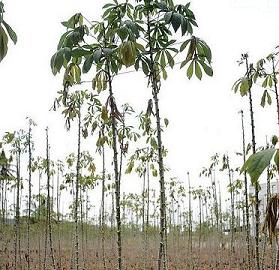

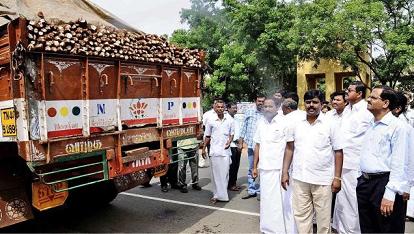
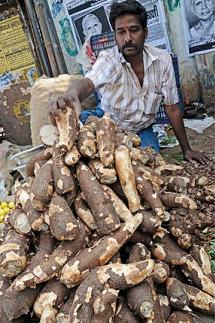
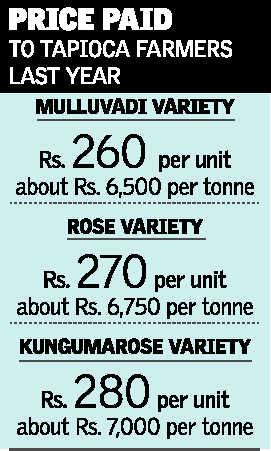
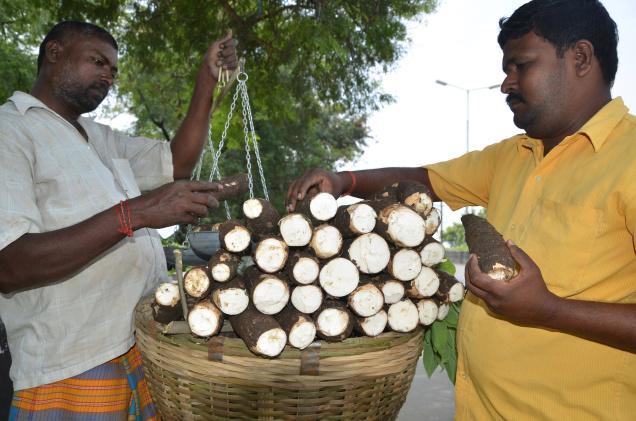
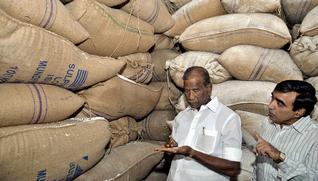
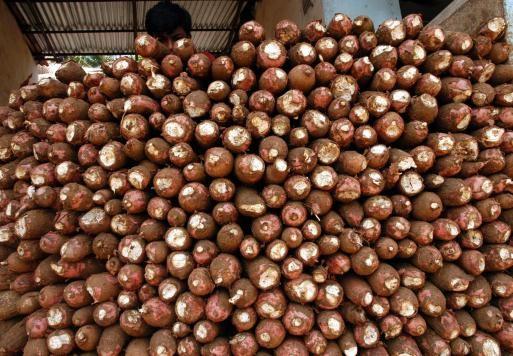
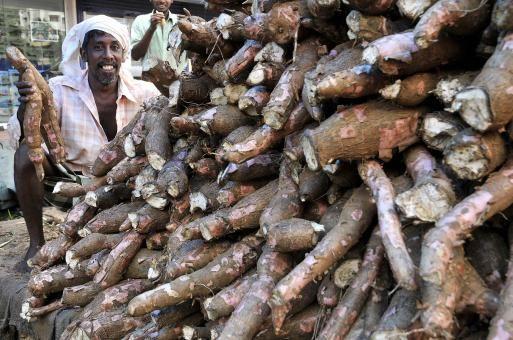
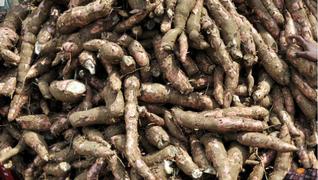
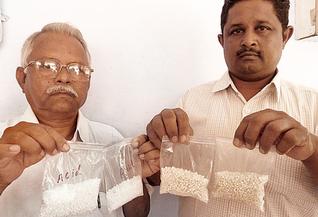
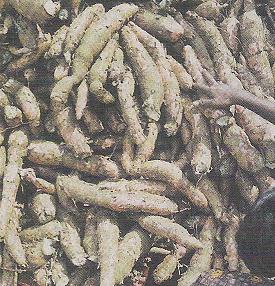
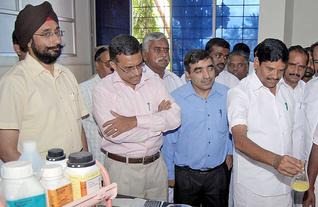
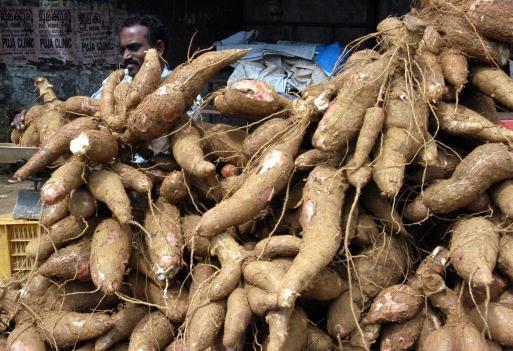
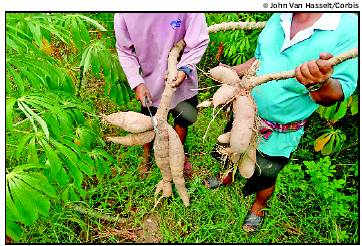
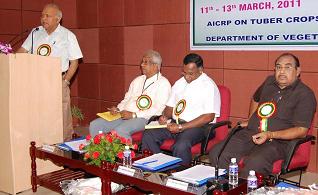
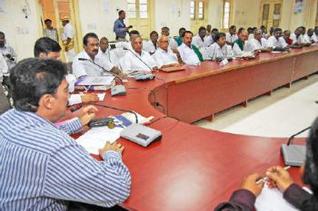
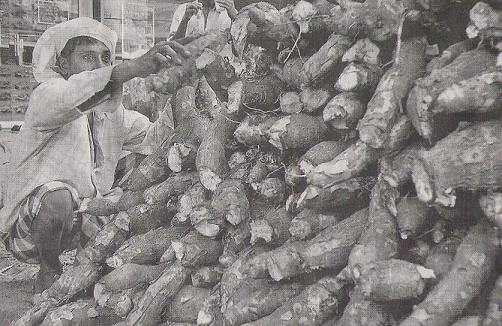
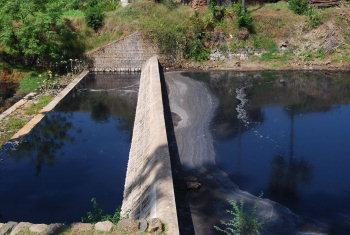

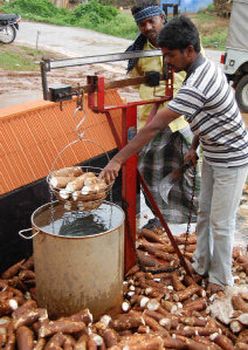
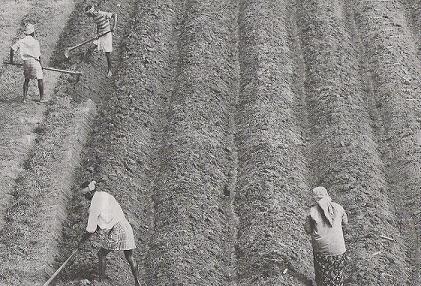

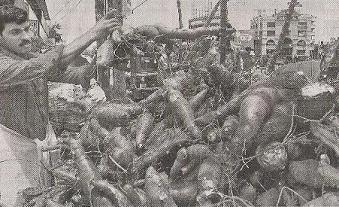



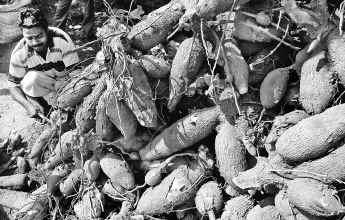
[ Best Viewed - Screen Resolution: 1024 by 768 Pixels, Color Palette: Highest (32 bit) ]